Retail
Retail Store Task Verification: How to Ensure Execution Accuracy
Discover how retailers verify store-level tasks using real-time dashboards, photo validation, and compliance tracking with Pazo.

CEO - Pazo

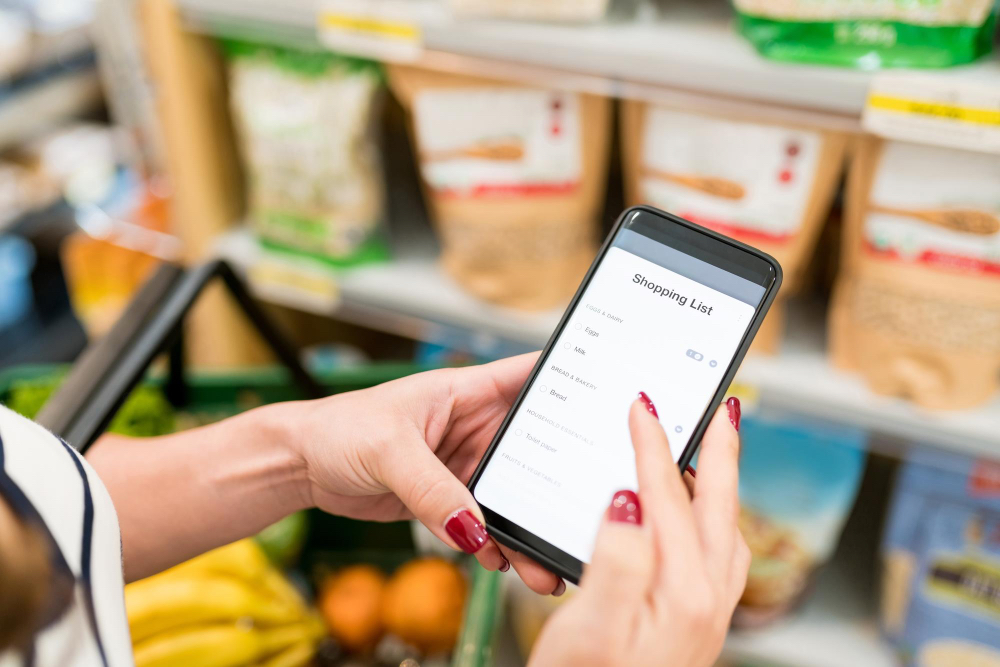
Discover how retailers verify store-level tasks using real-time dashboards, photo validation, and compliance tracking with Pazo.
Retail store operations involve hundreds of daily tasks — promotional setups, planogram updates, price changes, compliance checks, inventory audits, and more. As retail and franchise networks expand, ensuring that these tasks are not just assigned but properly completed becomes increasingly complex. Many organizations rely on manual confirmations or verbal updates, which often lack proof and accuracy. A task marked “completed” does not always mean it was executed correctly. Without structured verification systems, execution gaps go unnoticed and impact sales, compliance, and brand consistency. This is why retail store task verification has become essential for scalable and controlled retail operations.
Why Task Verification Matters in Retail:
Retail store task verification is the process of confirming that assigned store-level tasks have been completed accurately and according to defined standards. It goes beyond simple task assignment or completion status and focuses on proof-based validation. In enterprise and franchise retail networks, tasks such as promotional setups, planogram updates, pricing changes, and compliance checks must be verified to ensure consistency. Without verification, leadership relies on self-reported updates, which may not reflect actual execution quality. Task verification introduces measurable accountability and structured oversight. It ensures that store execution aligns with operational and merchandising strategy.
Retail Store Task Verification Involves:
In retail, execution quality directly impacts revenue, customer experience, and brand perception. Assigning tasks without verifying them creates a false sense of control. Store teams may mark tasks as completed, but without proof, leadership cannot confirm whether execution meets defined standards. In large retail and franchise networks, even small inconsistencies can scale rapidly across locations. Task verification ensures promotional displays are set up correctly, pricing updates are accurate, and compliance standards are maintained. By introducing structured validation, retailers reduce operational risk and improve accountability across stores.
Why It’s Critical for Retail Success:
Verifying store-level tasks becomes increasingly complex as retail networks grow. Many organizations still rely on manual confirmations, emails, or spreadsheets to track completion status. These methods lack proof, consistency, and real-time visibility. Regional teams may follow different reporting formats, creating inconsistencies in oversight. Delayed audits further slow down issue detection, allowing execution gaps to persist. Without a centralized verification system, leadership struggles to distinguish between reported completion and actual execution accuracy.
Common Verification Challenges:
Effective retail store task verification requires more than marking tasks as complete. It demands structured proof, measurable tracking, and real-time visibility across all locations. Enterprise retailers and franchise brands need systems that validate execution quality, not just task status. Verification should confirm that tasks are completed correctly, within timelines, and according to defined standards. A strong verification framework reduces ambiguity and strengthens accountability. The following components form the foundation of a reliable task verification system.
Core Components Include:
Implementing retail store task verification requires a structured transition from manual tracking to proof-based monitoring. Retailers must clearly define expectations, digitize execution workflows, and introduce measurable accountability. For enterprise and franchise networks, adoption should be phased to ensure minimal disruption to daily operations. The goal is to shift from “reported completion” to “verified execution.” When verification is built into workflows, operational transparency improves significantly. Below is a practical framework for implementation.
Clearly define what successful task completion looks like. Ambiguity leads to inconsistent execution across stores.
Key Actions:
Move away from emails and spreadsheets. A centralized digital platform ensures consistent communication across all stores.
Key Actions:
Verification should include proof such as images or validation data. This confirms execution quality.
Key Actions:
Real-time dashboards allow leadership to identify issues immediately instead of waiting for audits.
Key Actions:
Verification data should drive continuous improvement. Measuring performance strengthens accountability.
Metrics to Monitor:
Retail store task verification requires centralized control, proof-based validation, and real-time visibility — all within a scalable system. Pazo enables enterprise retailers and franchise brands to assign tasks, track execution, and verify completion with structured proof. Instead of relying on self-reported updates, leadership teams gain photo-based validation and live compliance dashboards. Automated alerts highlight missed or delayed tasks, allowing faster corrective action. By digitizing store-level workflows, Pazo reduces manual follow-ups and improves execution accuracy. This ensures that operational standards are consistently upheld across all locations.
How Pazo Strengthens Task Verification:
Before implementing a structured task verification system, retail networks often depend on self-reported task completion. Store teams mark tasks as done via email or spreadsheets, but leadership lacks proof of execution quality. Follow-ups become manual and time-consuming, and deviations are often discovered during delayed audits. Promotional setups may be incomplete, compliance tasks may be rushed, and accountability remains unclear. This reactive approach creates operational inefficiencies and increases the risk of revenue-impacting errors.
After implementing a structured verification system like Pazo, task execution becomes transparent and measurable. Stores upload photo proof upon completion, geo and time stamps validate authenticity, and dashboards provide instant visibility across locations. Leadership can quickly identify incomplete or inaccurate submissions and take corrective action immediately. Instead of chasing updates, operations teams focus on performance optimization. The result is improved compliance, faster issue resolution, and stronger operational control.
Operational Improvements After Task Verification:
Retail store task verification is most effective when it becomes part of daily operations rather than an occasional review process. Enterprise retailers and franchise brands should embed verification into workflows to ensure sustained compliance. Clear expectations, measurable KPIs, and leadership visibility are essential for long-term success. Verification data should not only confirm completion but also guide performance improvement. When structured correctly, task verification reduces execution risk and strengthens operational discipline. The following best practices help maintain consistency across locations.
Best Practices to Follow:
Retail store task verification is no longer optional for enterprise retailers and franchise networks aiming for scalable growth. Assigning tasks without verifying execution creates operational blind spots that directly impact compliance, promotions, and revenue. As store networks expand, manual tracking methods become unreliable and inefficient. Structured, proof-based verification ensures that tasks are not just completed but executed accurately according to defined standards. Real-time visibility strengthens accountability and allows leadership to address gaps before they escalate. With platforms like Pazo, retailers can transform task management from reactive follow-ups to proactive execution control.
To Strengthen Retail Task Verification:
As someone who has built highly scalable products from the ground up, I've always been drawn to solving challenging problems. But it's the quest for operational excellence that truly lights my fire. The thrill of streamlining processes, optimizing efficiency, and bringing out the best in a business – that's what gets me out of bed in the morning. Whether I'm knee-deep in programming or strategizing solutions, my focus is on creating a ripple effect of excellence that transforms not just businesses, but the industry at large. Ready to join forces and raise the bar for operational excellence? Let's connect and make retail operations and Facilities Management better, together.
Stay up to date with the latest video business news, strategies, and insights sent straight to your inbox!