Retail
How Centralized Monitoring Improves Retail Store Performance
Discover how retail brands use centralized monitoring systems to track compliance, improve execution, and scale operations efficiently.

CEO - Pazo


Discover how retail brands use centralized monitoring systems to track compliance, improve execution, and scale operations efficiently.
As retail brands expand across multiple locations, operational complexity increases rapidly. Managing execution, compliance, and performance across dozens or hundreds of stores becomes difficult without structured oversight. Many retail and franchise networks still rely on fragmented communication, spreadsheets, and periodic audits, which create visibility gaps. These blind spots often lead to inconsistent execution, delayed issue resolution, and revenue leakage. To scale efficiently while protecting brand standards, retailers need centralized control over store operations. This is where centralized monitoring becomes a strategic necessity rather than just an operational upgrade.
Why Retail Complexity is Increasing:
Centralized monitoring in retail refers to managing and tracking store operations, compliance, and performance from a unified system or dashboard. Instead of relying on manual updates or decentralized reporting, leadership teams gain real-time visibility across all locations. This approach ensures that campaigns, planograms, SOPs, and operational standards are executed consistently. For enterprise retailers and franchise brands, centralized monitoring eliminates silos and creates a single source of operational truth. It shifts oversight from reactive audits to proactive control. By consolidating data, communication, and execution tracking, retailers can make faster and more informed decisions.
Centralized Monitoring Enables:
For both enterprise retailers and franchise networks, maintaining operational control across multiple locations is a constant challenge. Without centralized monitoring, leadership teams depend on delayed reports, manual audits, and fragmented communication. This reactive approach increases the risk of execution gaps and inconsistent customer experiences. Centralized monitoring provides real-time visibility, allowing retailers to detect issues early and take corrective action quickly. It also ensures that promotional campaigns, planograms, and compliance standards are executed uniformly across regions. In a competitive retail environment, this level of control directly impacts revenue performance and brand integrity.
Why It Matters for Retail Growth:
Without centralized monitoring, retail and franchise networks struggle to maintain consistent execution across locations. Leadership lacks real-time oversight, making it difficult to detect issues early. As store networks grow, communication gaps widen and compliance becomes harder to enforce. This often leads to operational inefficiencies, inconsistent customer experiences, and revenue impact. Below are the key challenges explained:
When reporting is manual or decentralized, store updates are often delayed or inconsistent. Leadership teams may not receive accurate information about campaign execution or compliance status. This creates blind spots and slows corrective action.
Without centralized oversight, promotional campaigns may be implemented differently across locations. Some stores may miss key displays, while others interpret guidelines incorrectly. This weakens campaign effectiveness and brand uniformity.
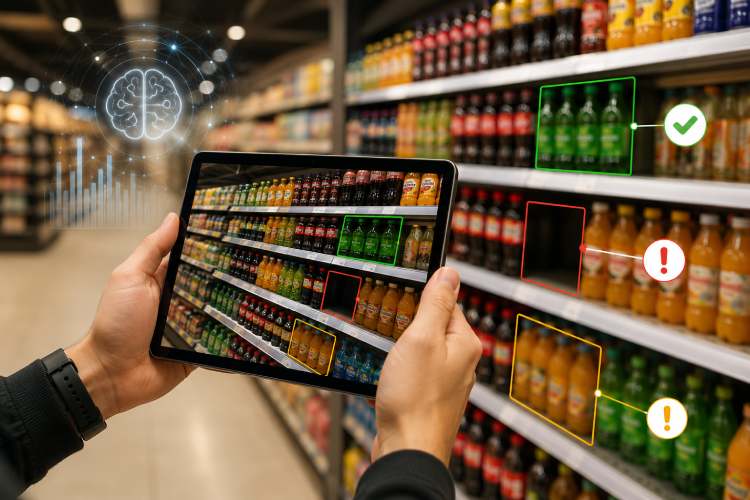
Retailers cannot assume compliance without verification. Without real-time monitoring, deviations in shelf placement, product displays, or operational SOPs often go unnoticed. Over time, this impacts customer experience and sales performance.
Fragmented communication channels — emails, calls, spreadsheets — create misalignment. Stores may receive incomplete or delayed instructions, leading to inconsistent execution across regions.
When issues are detected late, corrective actions are also delayed. Problems like stock gaps, display errors, or operational lapses continue affecting performance until addressed.
Inconsistent execution directly impacts conversions and customer trust. Poorly implemented promotions, incorrect displays, or missed compliance standards lead to measurable revenue leakage.
An effective centralized monitoring system goes beyond basic reporting. It combines real-time visibility, structured task management, and measurable compliance tracking into one unified platform. For retail enterprises and franchise brands, the system must provide clarity across all locations without increasing operational complexity. The goal is to create a single source of truth where leadership can track execution, identify gaps, and drive corrective action instantly. When properly implemented, centralized monitoring transforms oversight from reactive audits into proactive operational control. The following components are essential for building a scalable monitoring framework.
Core Components Include:
Implementing centralized monitoring requires a structured rollout rather than a sudden operational shift. Retailers must align standards, digitize execution, and create measurable accountability across all locations. For enterprise and franchise networks, the transition should be phased to ensure adoption without disrupting daily store operations. Each step builds a foundation for real-time visibility and performance control. When executed correctly, centralized monitoring strengthens compliance, reduces communication gaps, and improves overall operational efficiency. Below is a practical implementation framework.
Before monitoring can be centralized, execution standards must be clearly defined. Retail brands should document SOPs, campaign playbooks, and compliance benchmarks. Clear guidelines eliminate ambiguity and set measurable expectations for store teams.
Focus Areas:
Manual communication creates delays and inconsistencies. Digitizing task assignments ensures every store receives the same instructions simultaneously. It also allows leadership to track completion status in real time.
Key Actions:
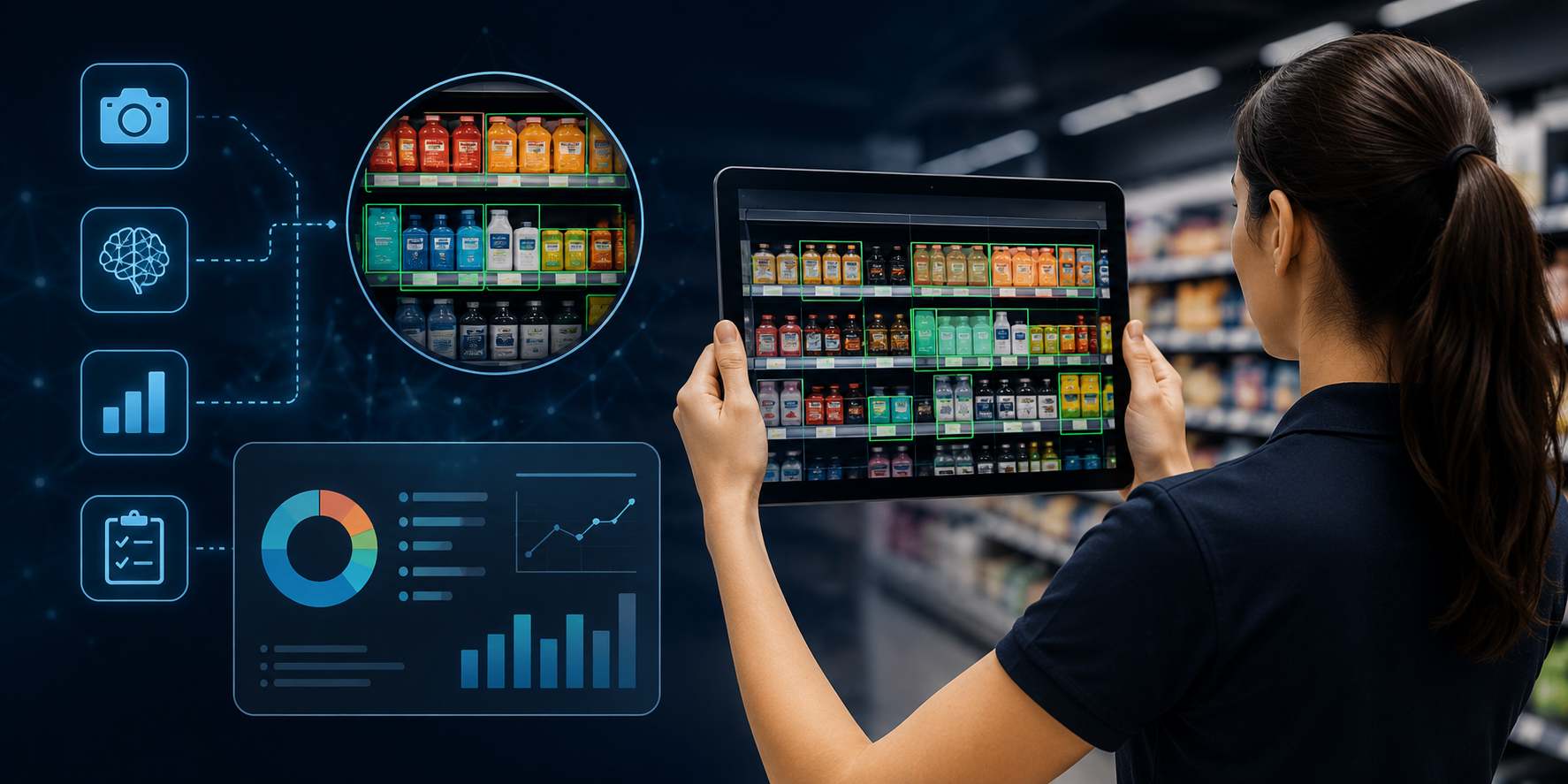
Real-time reporting eliminates blind spots in store execution. Instead of waiting for periodic audits, leadership can instantly verify compliance and performance metrics.
Reporting Essentials:
Centralized monitoring must be measurable. Retail brands should define KPIs that reflect operational and promotional accuracy. Data-driven metrics improve accountability and benchmarking.
Metrics to Monitor:
Monitoring should lead to continuous improvement. By analyzing store-level data, retailers can identify trends, address recurring issues, and refine operational strategies.
Optimization Actions:
For enterprise retailers and franchise networks, centralized monitoring requires more than dashboards — it demands structured execution control. Pazo provides a unified platform where leadership teams can assign tasks, monitor compliance, and track store-level performance in real time. Instead of relying on emails, spreadsheets, or periodic audits, operations teams gain live visibility across all locations from a single system. Photo-based verification ensures that campaigns and planograms are executed correctly. Automated reporting reduces manual effort while improving accuracy. With Pazo, retailers move from fragmented oversight to proactive operational control at scale.
How Pazo Strengthens Centralized Monitoring:
Before centralized monitoring, retail and franchise networks often operate with fragmented oversight. Store updates are shared through emails or spreadsheets, compliance checks happen periodically, and leadership lacks real-time visibility into execution quality. Promotional campaigns may be implemented inconsistently, and issues remain unresolved until sales performance drops. Regional managers spend excessive time gathering information instead of solving problems. This reactive model slows decision-making and increases operational risk.
After implementing centralized monitoring, execution becomes transparent and measurable. Leadership teams can track store performance through live dashboards, verify compliance with photo proof, and address deviations immediately. Campaign rollouts become synchronized across locations, and store accountability improves significantly. Instead of waiting for quarterly audits, retailers gain continuous visibility. The result is faster issue resolution, stronger compliance rates, and more predictable operational performance.
Operational Impact of Centralized Monitoring:
Centralized monitoring delivers results only when supported by clear KPIs, structured reviews, and leadership visibility. Both enterprise retailers and franchise brands must treat monitoring as an ongoing performance strategy rather than a one-time implementation. Consistent tracking, benchmarking, and corrective action ensure the system drives measurable improvements. When leadership actively reviews operational data, store accountability strengthens naturally. Embedding best practices into daily operations helps retailers scale efficiently while maintaining execution quality. The following practices ensure long-term effectiveness.
Best Practices to Follow:
Centralized monitoring in retail is no longer a luxury — it is a strategic requirement for scalable growth. As store networks expand across regions, operational complexity increases and visibility gaps widen. Without a unified system, execution inconsistencies, compliance blind spots, and delayed decision-making can directly impact revenue and brand reputation. Centralized monitoring enables leadership to maintain real-time control, ensure standardized execution, and respond quickly to operational challenges. For enterprise retailers and franchise brands alike, it creates a foundation for predictable performance and sustainable expansion. When supported by structured systems like Pazo, centralized monitoring becomes a competitive advantage rather than just an operational tool.
To Build Stronger Retail Control:
As someone who has built highly scalable products from the ground up, I've always been drawn to solving challenging problems. But it's the quest for operational excellence that truly lights my fire. The thrill of streamlining processes, optimizing efficiency, and bringing out the best in a business – that's what gets me out of bed in the morning. Whether I'm knee-deep in programming or strategizing solutions, my focus is on creating a ripple effect of excellence that transforms not just businesses, but the industry at large. Ready to join forces and raise the bar for operational excellence? Let's connect and make retail operations and Facilities Management better, together.
Stay up to date with the latest video business news, strategies, and insights sent straight to your inbox!