Retail
Retail Product Management Guide: From Planning to Store Execution
Explore retail product management, common challenges, and how modern retail product management systems improve execution and visibility.

CEO - Pazo


Explore retail product management, common challenges, and how modern retail product management systems improve execution and visibility.
Modern retail has evolved from simple brick-and-mortar operations into complex, omnichannel environments. Today, retailers manage thousands of products across multiple stores, regions, and channels, each with different customer behaviors, demand patterns, and pricing sensitivities. This scale and variability make product decisions far more challenging than in the past.
Speed is another defining factor of today’s retail landscape. Consumer preferences change rapidly due to trends, seasonality, and competition, forcing retailers to launch, adjust, and retire products more frequently. Slow decision-making or delayed execution often leads to missed opportunities, excess inventory, or lost sales.
The biggest challenge, however, lies in execution. While head office teams may create strong product strategies, those plans often break down at the store level. Products may not arrive on time, displays may be inconsistent, pricing may vary, and assortments may fail to reflect local demand. These gaps directly affect sales, margins, and customer experience.
Although retailers now have access to vast amounts of data, insights alone are not enough. Without clear ownership, visibility, and coordination, data remains disconnected from action. In this environment, effective retail product management is essential—not just to plan products, but to ensure that product decisions are executed consistently and successfully across every store and channel.
Retail product management is the process of planning, managing, and optimizing products while ensuring those decisions are executed consistently across stores and channels. Unlike digital or manufacturing product management, it must account for physical inventory, in-store execution, regional demand differences, and fast-changing customer preferences.
At a high level, retail product management focuses on:
What makes retail product management unique is its strong dependence on execution. Even the best product strategy can fail if products are unavailable, incorrectly priced, or poorly displayed in stores. This is why retail product managers work closely with merchandising, operations, and store teams to align strategy with on-ground reality.
Effective retail product management is also data-driven. Product teams rely on sales trends, inventory movement, sell-through rates, and customer feedback to evaluate performance and make quick adjustments. When done well, it helps retailers improve margins, reduce product failures, and deliver a consistent customer experience across locations.
Retail project management focuses on planning and executing time-bound initiatives that support broader retail product and business goals. Unlike retail product management, which is ongoing, project management is concerned with delivering specific outcomes within defined timelines, budgets, and resources.
In a retail context, project management typically applies to initiatives such as:
The primary responsibility of retail project management is execution discipline. Project managers coordinate across multiple teams—merchandising, operations, supply chain, IT, and store staff—to ensure tasks are completed on time and in the correct sequence. They manage dependencies, track progress, and address risks that could delay execution.
While retail project management does not own long-term product performance, it plays a critical role in ensuring that product strategies are delivered accurately on the ground. Strong project management helps retailers reduce delays, control costs, and maintain consistency during complex retail initiatives.
A retail product manager is responsible for owning the success of products from planning to in-store performance. Their role goes beyond deciding assortments—they ensure that product strategies translate into measurable results across stores and channels.
Key responsibilities of a retail product manager include:
Retail product managers act as a bridge between strategy and execution. They must balance customer needs, revenue targets, inventory constraints, and operational feasibility. This requires constant collaboration and alignment across teams to ensure products are launched correctly and supported on the shop floor.
Data plays a central role in this function. Retail product managers rely on sales data, inventory movement, sell-through rates, and feedback from stores to evaluate performance and make timely adjustments. When executed well, this role helps retailers improve margins, reduce waste, and deliver a consistent customer experience.
Retail product management directly impacts a retailer’s revenue, margins, and customer experience. When products are planned, launched, and managed effectively, retailers can meet customer demand while minimizing excess inventory and lost sales.
Strong retail product management helps retailers:
Without effective product management, retailers often face execution gaps where products fail to perform as expected. Poor assortment decisions, inconsistent pricing, or incorrect in-store execution can quickly erode profitability and customer trust.
In today’s competitive environment, retail success depends on more than good ideas—it depends on disciplined execution and continuous optimization. Retail product management provides the structure, ownership, and visibility needed to turn product strategies into real-world results.
The fundamentals of retail product management revolve around managing products as dynamic assets rather than static listings. Retailers must continuously evaluate how products perform in real-world conditions and adjust decisions based on demand, execution quality, and market changes.
Every retail product moves through a lifecycle, and managing each stage effectively is critical:
Retail product managers must actively monitor products at each stage to avoid overstocks, missed sales, or wasted shelf space.
Measuring the right metrics ensures product decisions are grounded in performance, not assumptions. Common KPIs include:
Together, these fundamentals help retailers maintain control, improve profitability, and continuously optimize their product portfolio.
A strong retail product strategy ensures that product decisions are aligned with customer demand, business goals, and operational realities. Rather than relying on intuition alone, effective strategies are built on data, market insights, and continuous feedback from stores.
Understanding demand is the foundation of retail product strategy. Retailers analyze multiple signals to determine what products to introduce, expand, or discontinue, including:
This research helps retailers reduce risk by validating product decisions before scaling them across stores.
Not all customers or stores are the same, which is why targeted assortment planning is critical. Retail product managers segment customers and stores based on factors such as location, buying behavior, and price sensitivity. This enables:
A well-defined product strategy ensures that the right products reach the right stores at the right time, improving sell-through, reducing waste, and supporting consistent execution.
Retail product display plays a critical role in determining how well a product performs in-store. Even strong products can underperform if they are poorly placed, inconsistently displayed, or incorrectly priced. In physical retail environments, visibility and presentation directly influence customer purchase decisions.
Effective retail product display depends on:
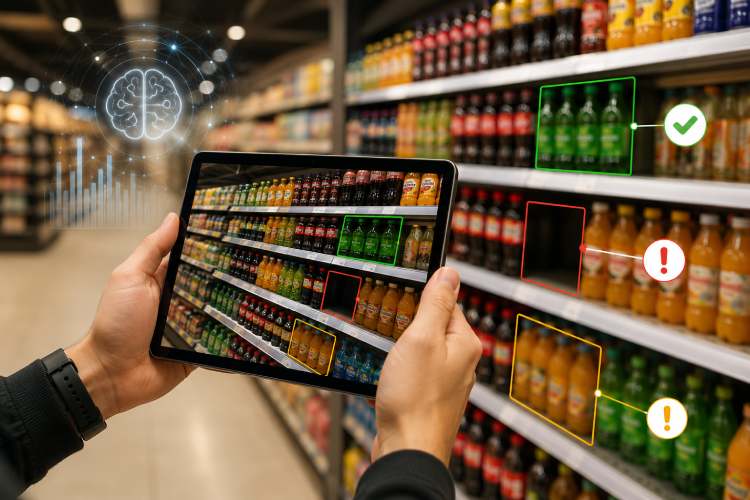
Retailers often design detailed planograms and display standards at the head office level. However, execution challenges arise when these plans are not followed consistently in stores. Limited visibility, manual checks, and communication gaps can result in missing products, incorrect displays, or deviations from approved layouts.
Poor display execution leads to lost sales, slower sell-through, and a fragmented brand experience. This makes in-store execution an essential extension of retail product management. Ensuring that products are displayed as intended requires coordination between merchandising teams, store staff, and operations—supported by systems that provide visibility and accountability.
As retail operations scale, spreadsheets and manual tracking quickly become unreliable. Managing products across multiple stores requires structured systems that provide visibility, consistency, and control. This is where retail product management software and systems play a critical role.
A retail product management system helps retailers centralize product-related information and ensure that decisions made at the head office are executed accurately in stores. These systems act as a single source of truth for product plans, performance, and execution status.
An effective retail product management software typically enables:
It’s important to note that not all retail systems serve the same purpose. Some tools focus heavily on planning and forecasting, while others are designed to support execution and store-level visibility. Retailers often need a combination of systems to bridge the gap between strategy and what actually happens on the shop floor.
By using the right product management software, retailers can reduce execution errors, improve consistency, and respond faster to performance issues. More importantly, these systems help turn product decisions into measurable outcomes rather than static plans.
Pazo works as an execution-first retail product management system that helps retailers bridge the gap between product strategy and store-level reality. While many tools focus on planning, Pazo focuses on making sure product decisions are actually executed in stores.
Pazo enables retail teams to convert product plans into clear, trackable store actions. Instead of relying on emails, spreadsheets, or manual follow-ups, teams can assign, monitor, and validate execution directly at the store level.
Pazo supports retail product management by enabling:
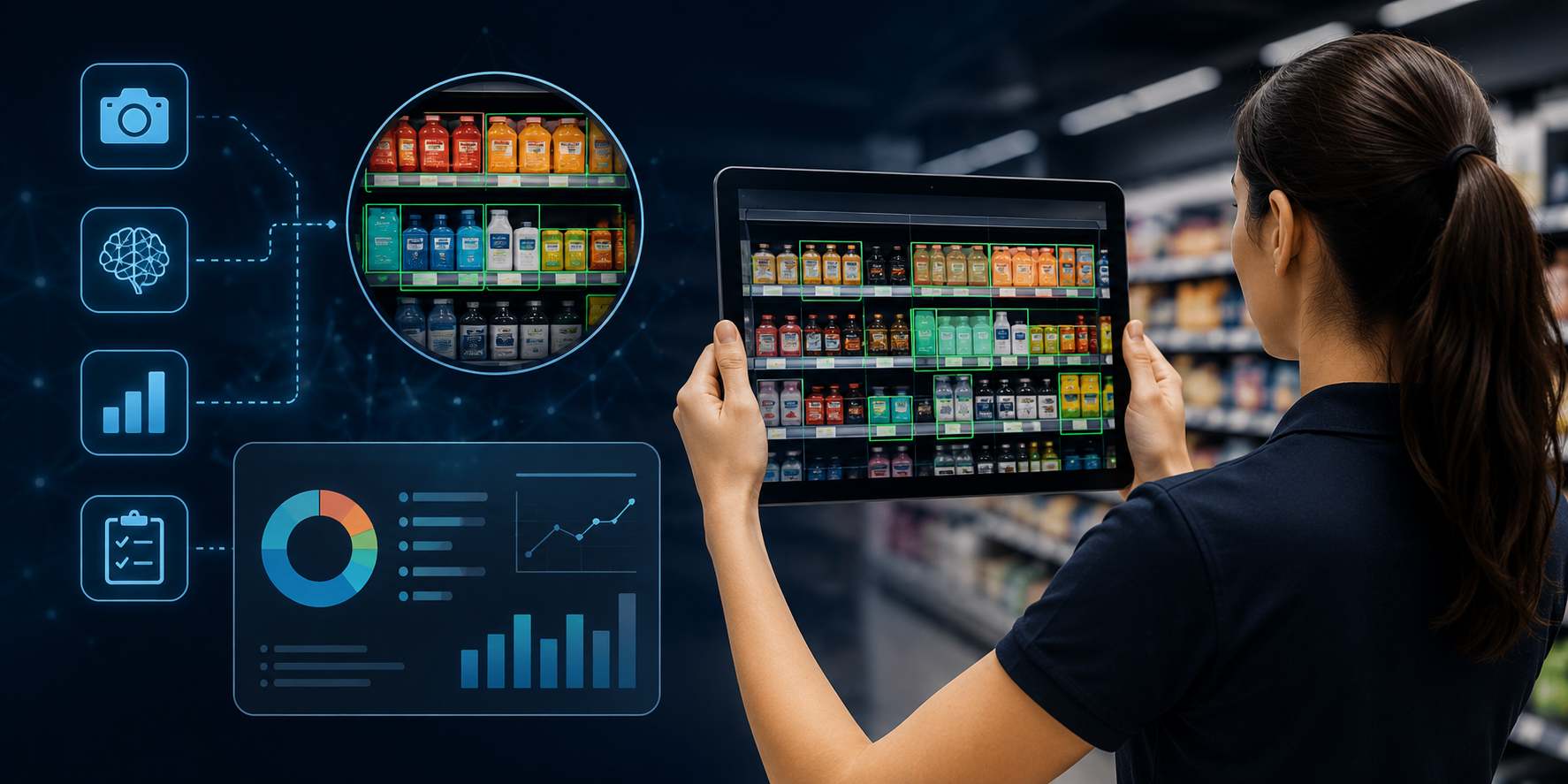
By providing real-time feedback from stores, Pazo helps product and retail teams identify issues early—such as delayed launches, incorrect displays, or inconsistent execution—and take corrective action quickly. This closes the loop between planning, execution, and performance.
As a retail product management system, Pazo ensures that product strategies don’t remain theoretical. Instead, they are translated into consistent execution across locations, helping retailers improve speed, accuracy, and overall product performance.
Despite strong planning, many retailers struggle to achieve consistent product performance due to operational and execution challenges. These issues often arise from the gap between head office decisions and what actually happens in stores.
Common challenges include:
These challenges lead to missed sales opportunities, excess inventory, and uneven customer experiences. Without real-time insight and accountability, retail teams are often forced to react after performance has already declined.
Addressing these challenges requires more than better planning—it requires systems and processes that support visibility, execution discipline, and continuous improvement across the entire retail network.
Successful retail product management combines strong strategy with disciplined execution. Retailers that consistently perform well follow structured practices that ensure product decisions translate into store-level results.
Key best practices include:
Another critical practice is closing the feedback loop. Store-level insights—such as execution issues, customer responses, or demand shifts—should flow back to product teams quickly. This enables continuous optimization rather than delayed, reactive decision-making.
By combining clear ownership, strong execution processes, and the right technology, retailers can reduce errors, improve sell-through, and deliver a consistent product experience across all stores.
Retail product management has become a critical capability for modern retailers operating in complex, fast-moving environments. Managing products today is no longer just about selecting assortments—it is about ensuring that product decisions are executed accurately and consistently across every store and channel.
From understanding customer demand and planning assortments to managing product displays and tracking performance, effective retail product management connects strategy with real-world execution. Retailers that invest in clear ownership, disciplined processes, and the right retail product management systems are better equipped to reduce execution gaps, improve margins, and deliver a consistent customer experience.
As competition intensifies and consumer expectations continue to rise, retailers that treat product management as an execution-driven discipline—not just a planning function—will be best positioned for long-term success.
As someone who has built highly scalable products from the ground up, I've always been drawn to solving challenging problems. But it's the quest for operational excellence that truly lights my fire. The thrill of streamlining processes, optimizing efficiency, and bringing out the best in a business – that's what gets me out of bed in the morning. Whether I'm knee-deep in programming or strategizing solutions, my focus is on creating a ripple effect of excellence that transforms not just businesses, but the industry at large. Ready to join forces and raise the bar for operational excellence? Let's connect and make retail operations and Facilities Management better, together.
Stay up to date with the latest video business news, strategies, and insights sent straight to your inbox!