Retail
Visual Merchandising Challenges Every Retail Brand Faces Today
Discover the biggest visual merchandising challenges in retail and learn how to fix execution gaps, improve consistency, and enhance store performance.

CEO - Pazo


Discover the biggest visual merchandising challenges in retail and learn how to fix execution gaps, improve consistency, and enhance store performance.
In today’s competitive retail landscape, visual merchandising has evolved from simple product display to a strategic discipline that shapes the entire shopping experience. It plays a crucial role in guiding customer attention, enhancing store navigation, and reinforcing brand identity across every touchpoint. As shoppers demand more intuitive, seamless, and visually consistent environments—both online and offline—retailers must rethink how they plan, execute, and maintain their visual standards. Modern visual merchandising is not just about aesthetics; it’s about creating purposeful, data-driven layouts that support customer behavior and drive measurable sales impact.
Visual merchandising is the intentional planning and presentation of products, fixtures, signage, and store layouts to influence shopper behavior and drive purchasing decisions. It’s no longer limited to creating attractive displays—modern retailers must ensure consistency, clarity, and operational efficiency across every store location.
Today’s customers expect stores to feel intuitive. They want clear pathways, logical product grouping, and displays that match the online browsing experience. As retail formats evolve and customer expectations rise, maintaining strong visual standards has become essential for delivering a seamless brand experience and supporting faster, more confident buying decisions.
Even with growing online shopping, physical stores remain critical for product discovery and brand experience. Effective visual merchandising helps retailers capture shopper attention within seconds, directing them toward the right products and making the store easier to navigate.
A well-executed display increases dwell time, improves product visibility, and strengthens brand perception. When customers find what they need quickly, they’re more likely to make a purchase—and return. For multi-location brands, consistent execution is essential because even small layout errors or confusing signage can impact conversion rates across hundreds of stores.
Key benefits include:
Today’s retail environment is fast, competitive, and highly experience-driven. Stores must maintain high standards while managing staffing issues, supply delays, rapid product rotations, and rising customer expectations. Below are the major challenges retailers face across locations.
When products are placed too low, too high, or in the wrong category, customers struggle to locate them. This reduces dwell time in key zones and leads to missed sales opportunities.
Many stores still rely on manual execution, which leads to mismatched shelves, incorrect facings, and incomplete displays. Even a small deviation from the planogram affects brand consistency and product performance.
Unclear or outdated signage creates shopper frustration. When store teams aren’t aligned on new promotions or changes, communication breaks down and visual standards fall apart.
Retail formats are shrinking. Stores often struggle to balance navigation, product density, and display hierarchy, especially during seasonal peaks or heavy promotions.
When the shelf appears empty despite having stock in the system, or when products exist in inventory but not physically on display, customers lose confidence and conversion drops.
Global and national brands must adapt displays to local preferences without diluting brand identity. This becomes challenging when multiple teams handle execution differently.
Damaged props, unavailable fixtures, and budget limitations disrupt display consistency. Delays in materials also impact campaign timelines.
When store teams, area managers, and brand teams are not aligned, execution errors multiply. This leads to uneven displays and slower rollout cycles.
Retailers struggle to measure the impact of their displays. Without real-time visibility, brands can’t identify issues early or understand which layouts drive better sales.
Retailers can address most execution problems by improving visibility, tightening communication, and adopting smarter store processes. Below are actionable solutions aligned with the most common challenges.
Retail brands face increasing pressure to execute displays perfectly across every store, every day. What often looks simple at the corporate level becomes complex in the field: different store layouts, staffing limitations, delayed communications, inconsistent photos, and lack of real-time visibility. Pazo solves these execution bottlenecks by turning visual merchandising workflows into trackable, data-driven processes.
Pazo acts as a single operating system for store teams, area managers, and merchandising leaders—ensuring consistent execution, faster rollouts, and complete visibility into what is happening on the shop floor.
Pazo structures store activities into clear, actionable tasks. Every merchandising instruction—whether it’s setting up a new display, replacing signage, or refreshing shelves—is assigned with:
Store teams know exactly what to do and when to do it. Area managers no longer need to rely on WhatsApp messages, phone calls, or outdated Excel trackers.
Impact: Faster execution, reduced confusion, and stronger accountability across all locations.
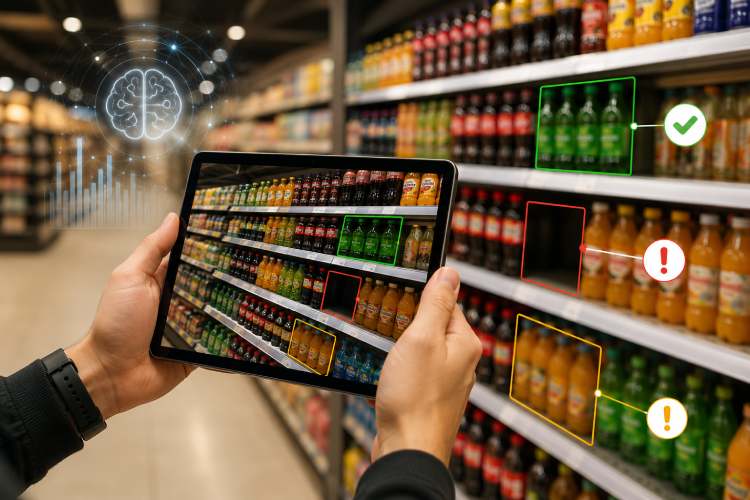
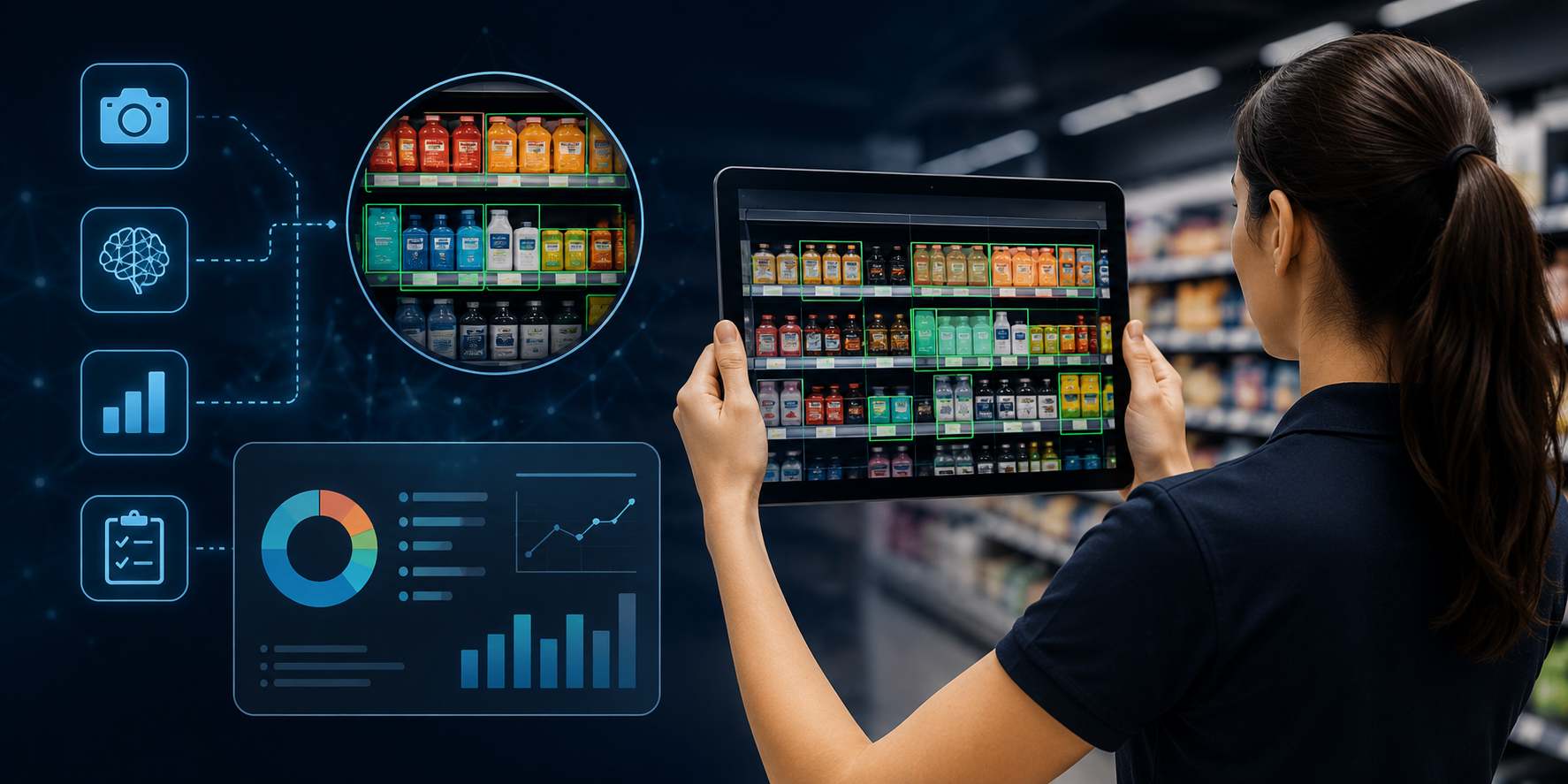
One of the biggest challenges in retail is ensuring that every store follows planograms accurately. Pazo enables photo-based proof of execution, allowing teams to upload images directly from the shop floor.
This eliminates guesswork and ensures displays match brand standards across hundreds of outlets.
Impact: Higher compliance, fewer display errors, and a uniform customer experience.
Pazo replaces manual audits with digital, rule-based checklists that ensure every store is evaluated consistently. Brands can build checklists for:
The app automatically records evidence, timestamps, and compliance scores, giving leadership complete visibility across regions.
Impact: More accurate audits, cleaner stores, and faster identification of recurring issues.
Seasonal displays, new launches, and promotional campaigns require tight coordination. Pazo centralizes rollout instructions and ensures:
This helps brands execute national campaigns smoothly without operational friction.
Impact: Faster go-to-market speed and consistent visual storytelling across locations.
Retail operations often break down because communication is scattered across emails, WhatsApp groups, and verbal instructions. Pazo brings all communication into one platform:
With clear communication, display errors reduce drastically.
Impact: No information loss, no outdated instructions, and better teamwork across the organization.
Pazo transforms store execution data into actionable insights. Leaders can track:
This helps identify which stores need support, which regions require training, and which campaigns deliver the strongest impact.
Impact: Smarter decision-making and continuously improving store standards.
Retailers today operate in a complex, fast-moving environment where consistent store execution is essential. While challenges like inconsistent displays, poor communication, inventory mismatches, and unclear signage continue to affect store performance, a structured approach to visual merchandising can significantly improve customer experience and conversion.
By combining clear standards with real-time visibility and coordinated execution, brands can maintain high-quality displays across every location. Pazo strengthens this process by giving teams the tools they need to execute tasks accurately, monitor compliance, and respond quickly to store-level issues.
With the right systems and workflows, retailers can turn everyday display execution into a competitive advantage—and deliver a shopping experience that customers remember.
As someone who has built highly scalable products from the ground up, I've always been drawn to solving challenging problems. But it's the quest for operational excellence that truly lights my fire. The thrill of streamlining processes, optimizing efficiency, and bringing out the best in a business – that's what gets me out of bed in the morning. Whether I'm knee-deep in programming or strategizing solutions, my focus is on creating a ripple effect of excellence that transforms not just businesses, but the industry at large. Ready to join forces and raise the bar for operational excellence? Let's connect and make retail operations and Facilities Management better, together.
Stay up to date with the latest video business news, strategies, and insights sent straight to your inbox!