Restaurant
Restaurant Food Safety Compliance: Guidelines and Best Practices
Learn how restaurants maintain food safety compliance through proper hygiene, food handling, and safety monitoring practices.

CEO - Pazo

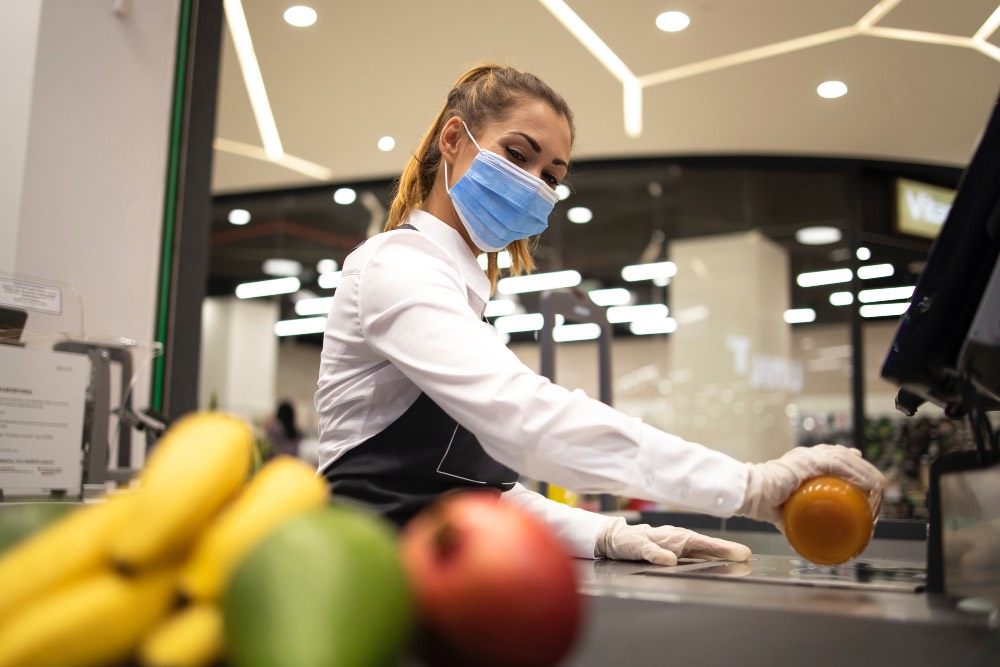
Learn how restaurants maintain food safety compliance through proper hygiene, food handling, and safety monitoring practices.
Food safety is one of the most critical responsibilities in restaurant operations. Restaurants handle large volumes of food daily, making proper hygiene and safety practices essential for protecting customers and employees. Failure to follow food safety standards can lead to food contamination, health risks, and damage to a restaurant’s reputation. This is why restaurant food safety compliance is a key part of restaurant management. By following established food safety regulations and hygiene standards, restaurants can ensure that food is prepared, stored, and served safely. Strong compliance practices also help restaurants maintain customer trust and meet regulatory requirements.
Restaurant food safety compliance refers to following established food safety regulations, hygiene standards, and operational procedures designed to prevent food contamination and protect public health. Restaurants must ensure that food is stored, prepared, cooked, and served under safe conditions. Compliance also requires staff to follow hygiene protocols, maintain clean work environments, and monitor food storage temperatures. Health authorities and regulatory bodies set these standards to ensure that restaurants operate safely. When restaurants maintain strong food safety compliance, they reduce the risk of foodborne illnesses and maintain trust with customers.
Common Food Safety Compliance Requirements:
Restaurant food safety compliance involves multiple operational areas that help prevent contamination and ensure food is handled safely. Restaurants must monitor how food is stored, prepared, and served while maintaining strict hygiene standards throughout the kitchen. Employees also play an important role by following safe food handling procedures and maintaining personal hygiene. By focusing on these key areas, restaurants can reduce food safety risks and maintain consistent compliance with health regulations.
Proper storage and temperature control help prevent bacterial growth and food spoilage. Restaurants must ensure that perishable ingredients are stored at safe temperatures and that refrigeration units function correctly. Monitoring temperatures regularly helps maintain food safety and quality.
Maintaining a clean kitchen environment is essential for food safety compliance. Work surfaces, preparation areas, and utensils must be cleaned and sanitized frequently to prevent cross-contamination between ingredients.
Restaurant staff must follow strict hygiene practices when handling food. This includes regular handwashing, wearing appropriate protective gear, and avoiding direct contact with food when necessary. Good hygiene practices reduce the risk of contamination.
Kitchen equipment such as ovens, refrigerators, and preparation tools must be cleaned and maintained regularly. Proper equipment maintenance ensures that food preparation processes remain safe and efficient.
Safe food handling includes practices such as separating raw and cooked ingredients, using clean utensils, and following correct cooking temperatures. These procedures help prevent contamination and ensure that food is safe to consume.
Maintaining food safety compliance in restaurants can be challenging due to the fast-paced nature of kitchen operations. Staff members often handle multiple tasks during busy service hours, which can increase the risk of overlooking important safety procedures. In some cases, restaurants may struggle with inconsistent training or lack proper monitoring systems for food safety practices. Communication gaps between staff and management can also affect how safety guidelines are followed. Addressing these challenges is essential to ensure that food safety standards are maintained consistently across all restaurant operations.
Common Challenges in Restaurant Food Safety Compliance:
A restaurant food safety compliance checklist helps ensure that food safety procedures are followed consistently throughout daily operations. Restaurants must monitor several safety factors, including food storage, hygiene practices, equipment cleanliness, and preparation procedures. Without a structured checklist, important safety checks may be missed during busy service hours. A well-defined checklist helps staff stay organized and ensures that food safety standards are maintained at all times. It also allows managers to review compliance regularly and identify potential safety risks early.
Typical Restaurant Food Safety Compliance Checklist:
Improving restaurant food safety compliance requires consistent training, clear procedures, and regular monitoring of kitchen activities. Restaurant managers should ensure that employees understand food safety standards and follow proper hygiene practices at all times. Establishing structured food safety protocols helps staff perform their tasks safely and reduces the risk of contamination. Regular inspections and proper documentation also help restaurants maintain compliance with health regulations. By prioritizing food safety practices, restaurants can protect both customers and employees while maintaining operational reliability.
Training programs help employees understand proper food handling, hygiene practices, and safety regulations. Regular training ensures that staff remain aware of food safety procedures.
Restaurants should create clear hygiene guidelines for food preparation, storage, and kitchen cleanliness. Standardized procedures help staff follow consistent food safety practices.
Regular inspections help identify potential safety risks such as improper food storage or unclean work areas. Early detection of issues helps prevent contamination.
Restaurants should regularly monitor how food is stored and handled. Ensuring that ingredients are stored at the correct temperature helps maintain food safety and quality.
Technology plays an important role in helping restaurants maintain consistent food safety compliance. Digital systems allow restaurants to monitor food safety procedures, track hygiene checks, and document compliance activities more efficiently. Instead of relying only on manual logs or verbal communication, staff can use technology to record safety checks and report issues in real time. This improves visibility into kitchen operations and helps managers identify potential risks quickly. By integrating technology into food safety management, restaurants can strengthen compliance monitoring and reduce the chances of safety violations.
How Technology Supports Food Safety Compliance:
Maintaining food safety compliance requires consistent monitoring of safety procedures and clear communication between restaurant staff and management. Pazo helps restaurants streamline food safety compliance by providing a centralized platform to track safety tasks, report issues, and monitor operational activities. Instead of relying on manual records, restaurant teams can document safety checks digitally and ensure that compliance activities are completed on time. Managers gain better visibility into kitchen operations and can quickly address potential safety risks. This structured approach helps restaurants maintain higher food safety standards and protect customer health.
How Pazo Supports Restaurant Food Safety Compliance:
Effective food safety management requires consistent attention to hygiene practices, food handling procedures, and operational monitoring. Restaurants that follow structured food safety programs are better equipped to prevent contamination and maintain compliance with health regulations. Managers should regularly review safety procedures and ensure that employees understand their responsibilities. Encouraging open communication about safety concerns also helps identify risks early. By following best practices, restaurants can maintain high food safety standards and protect both customers and employees.
Best Practices for Restaurant Food Safety:
Restaurant food safety compliance is essential for protecting customers, maintaining regulatory standards, and preserving a restaurant’s reputation. From proper food storage and hygiene practices to regular inspections and employee training, every aspect of kitchen operations must follow strict safety guidelines. When restaurants fail to maintain these standards, they risk food contamination, health violations, and loss of customer trust. Establishing structured safety procedures and monitoring compliance regularly helps restaurants maintain safe food preparation environments. By combining effective safety practices with digital tools like Pazo, restaurants can improve visibility into food safety activities and maintain consistent compliance across all operations.
As someone who has built highly scalable products from the ground up, I've always been drawn to solving challenging problems. But it's the quest for operational excellence that truly lights my fire. The thrill of streamlining processes, optimizing efficiency, and bringing out the best in a business – that's what gets me out of bed in the morning. Whether I'm knee-deep in programming or strategizing solutions, my focus is on creating a ripple effect of excellence that transforms not just businesses, but the industry at large. Ready to join forces and raise the bar for operational excellence? Let's connect and make retail operations and Facilities Management better, together.
Stay up to date with the latest video business news, strategies, and insights sent straight to your inbox!