Retail execution teams often struggle to maintain consistent shelf compliance across hundreds or thousands of stores. Manual store audits are time-consuming, error-prone, and rarely provide real-time visibility into what is actually happening on retail shelves. By the time audit reports are reviewed, products may already be out of stock, misplaced, or losing visibility to competitors.
This is where planogram image recognition is transforming modern retail execution. Using AI and computer vision, brands can automatically analyze shelf images, compare them against predefined planograms, and detect execution gaps within minutes. Image recognition planogram compliance helps retail teams improve shelf visibility, reduce audit time, and respond faster to in-store issues. With real-time shelf intelligence, brands can move beyond reactive audits and gain continuous visibility into product placement, facings, and on-shelf availability across retail locations.
What is Planogram Image Recognition?
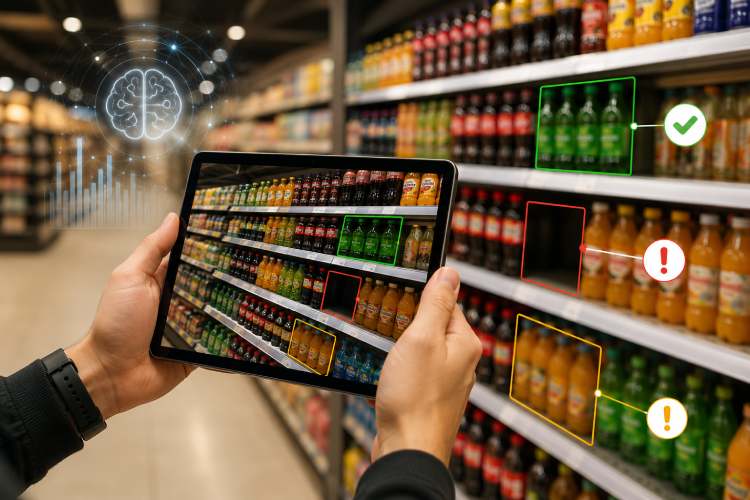
Planogram image recognition is the use of AI-powered computer vision technology to analyze retail shelf images and measure compliance against predefined shelf layouts or planograms. Instead of manually checking shelves, retail teams can capture shelf photos through mobile devices, and the system automatically identifies products, facings, shelf positioning, and compliance gaps.
The technology compares actual shelf conditions with the expected planogram and detects issues such as:
- Missing SKUs
- Incorrect product placement
- Low facings
- Out-of-stock products
- Competitor shelf encroachment
This helps brands maintain consistent retail execution across stores while reducing the effort involved in manual audits.
Instead of relying on manual shelf audits, brands can continuously monitor in-store execution using AI-powered shelf intelligence. With faster compliance tracking and real-time visibility, retail teams can quickly identify execution issues and take corrective action before they impact sales or customer experience.
How Image Recognition Planogram Compliance Works
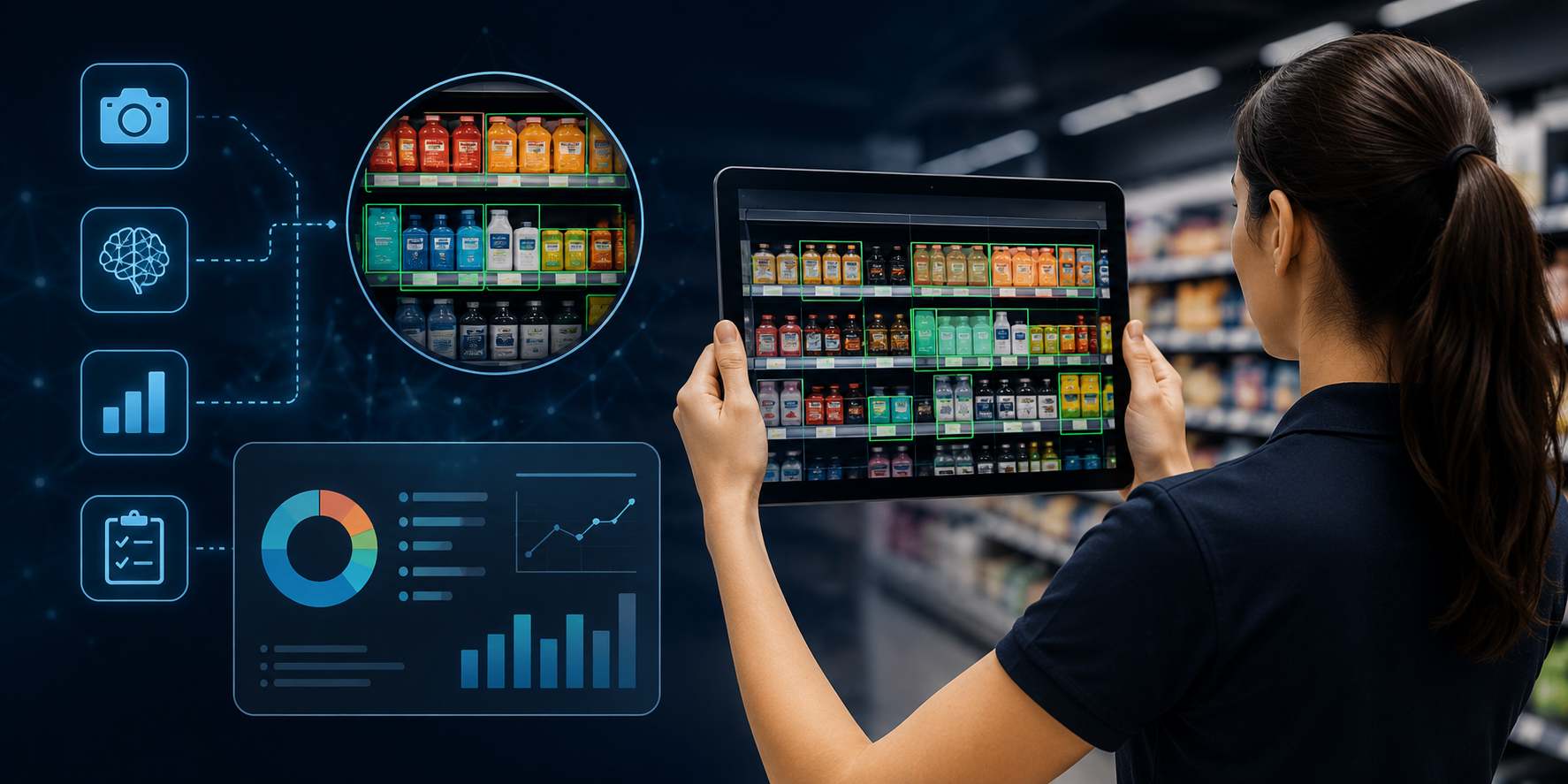
AI-powered image recognition planogram compliance follows a simple but highly effective workflow that helps retail teams monitor shelf execution at scale.
Shelf Image Capture
Field representatives or merchandisers capture shelf photos using a mobile device during store visits. These images provide real-time visibility into actual shelf conditions across different retail locations. Modern retail execution platforms can also support offline image capture for stores with limited connectivity.
AI Product Recognition
Once the shelf image is uploaded, computer vision algorithms analyze the image and identify products, SKUs, facings, shelf positioning, and brand visibility. The system can recognize multiple products simultaneously and detect shelf-level details much faster than manual audits.
Compliance Analysis
The platform then compares the actual shelf image against the predefined planogram. It identifies execution gaps such as misplaced products, low facings, missing SKUs, pricing inconsistencies, and out-of-stock items. This allows retail teams to measure compliance scores at the store level.
Real-Time Corrective Actions
Instead of waiting for delayed audit reports, retail teams receive instant alerts about compliance gaps. Managers and merchandisers can quickly take corrective action, improve shelf execution, and resolve issues before they impact sales performance. This transforms image recognition from a passive monitoring tool into an active retail execution system.
Why Manual Planogram Audits Are Inefficient
Traditional planogram audits rely heavily on manual store visits and spreadsheet-based reporting, making the process difficult to scale across large retail networks. Some of the biggest challenges include:
- Human errors during audits: Field auditors may overlook shelf issues, capture inaccurate data, or interpret compliance standards differently across stores.
- Inconsistent reporting across locations: Different audit methods and reporting styles can reduce visibility into overall retail execution performance.
- Limited store coverage: Field teams can only visit a limited number of stores each day, making it hard to maintain consistent shelf monitoring at scale.
- Delayed reporting cycles: Audit findings are often shared hours or days after store visits, slowing down decision-making and corrective actions.
- Lack of real-time shelf visibility: Brands struggle to identify out-of-stock products, low facings, or misplaced SKUs as they happen.
- Slow response to execution gaps: By the time manual audit reports reach headquarters, shelf conditions may have already changed.
- Difficulty scaling operations: As retail networks grow, manual audits become increasingly time-consuming, expensive, and operationally inefficient.
Without real-time visibility into shelf execution, brands risk losing sales opportunities, reducing share of shelf, and delivering inconsistent in-store experiences.
Benefits of AI-Based Planogram Compliance
AI-powered planogram compliance helps retail brands move beyond manual audits and gain faster, more accurate visibility into shelf execution across stores.
Improve On-Shelf Availability
AI helps detect missing SKUs and out-of-stock products in real time, allowing teams to replenish shelves faster and reduce lost sales opportunities.
Increase Share of Shelf
Image recognition enables brands to monitor shelf space, product facings, and competitor placement more accurately, helping improve in-store visibility and brand presence.
Reduce Audit Time
Traditional audits can take hours to complete and analyze. AI-powered shelf monitoring automates image analysis within minutes, significantly reducing audit time and manual effort.
Improve Merchandiser Productivity
Instead of spending time on manual reporting, merchandisers can focus on corrective actions and store execution priorities. This improves field team efficiency and store coverage.
Gain Real-Time Retail Visibility
Retail teams gain instant visibility into compliance gaps, shelf conditions, and execution performance across multiple store locations through centralized dashboards and analytics.
Move From Shelf Monitoring to Shelf Execution
AI is not only about detecting shelf issues — it also helps retail teams take corrective action faster. Instead of waiting for delayed reports, managers can instantly identify execution gaps, assign tasks to field teams, and track issue resolution in real time. This transforms image recognition from a passive monitoring tool into an active retail execution system.
What to Look for in Planogram Image Recognition Software
Choosing the right planogram image recognition software is critical for improving retail execution at scale. Brands should look for solutions that go beyond basic image analysis and support operational workflows.
Some key capabilities to consider include:
- Real-time compliance tracking
- High SKU recognition accuracy
- Mobile-based shelf image capture
- Offline functionality for field teams
- Automated compliance scoring
- Store-level analytics and reporting
- Retail execution dashboards
- Task management integration
- Real-time alerts for execution gaps
- Scalability across multiple store formats
Modern retail teams also need software that integrates shelf monitoring with execution workflows. Instead of simply identifying issues, the platform should help teams respond quickly, assign corrective actions, and improve accountability across field operations.
The right solution should provide both shelf intelligence and operational visibility to help brands improve compliance, merchandising consistency, and in-store execution performance.
How Pazo Helps Retail Teams Improve Shelf Compliance
Pazo helps retail brands improve planogram compliance and in-store execution through AI-powered shelf monitoring and operational visibility.
Key capabilities include:
- Image-based shelf monitoring: Capture and analyze shelf images to identify compliance gaps faster.
- Real-time store visibility: Monitor shelf conditions, product placement, and execution status across multiple store locations.
- Centralized execution dashboards: Track compliance performance, execution trends, and store-level insights from a single platform.
- Faster issue resolution: Detect execution gaps quickly and assign corrective actions to field teams in real time.
- Task execution workflows: Streamline merchandiser activities with task assignment, tracking, and completion monitoring.
- Improved merchandiser accountability: Gain better visibility into field activities, store visits, and execution performance.
- Store-level analytics: Measure compliance trends, identify recurring execution issues, and improve operational decision-making.
- Consistent retail execution: Standardize planogram compliance and shelf visibility across large retail networks.
By combining shelf intelligence with execution workflows, Pazo helps retail teams move beyond manual audits and improve operational efficiency at scale.
FAQs
How does AI improve planogram compliance?
AI improves planogram compliance by automating shelf audits and providing real-time visibility into in-store execution. Instead of relying on manual reporting, retail teams can instantly detect shelf issues, monitor compliance across stores, and take corrective action faster.
Can image recognition detect out-of-stock products?
Yes. AI-powered image recognition systems can detect empty shelf spaces and missing products from shelf images. This helps retail teams identify out-of-stock situations early and improve on-shelf availability before sales are impacted.
What are the benefits of AI shelf compliance?
AI-based shelf compliance helps brands improve shelf visibility, reduce manual audit time, increase share of shelf, improve merchandiser productivity, and gain real-time retail execution insights across store locations.
How accurate is retail image recognition software?
Modern retail image recognition software can achieve high accuracy in detecting products, facings, and shelf compliance when trained with quality product data and shelf images. Accuracy may vary depending on image quality, shelf complexity, lighting conditions, and packaging variations.
Take Control of Retail Operations
Connect Store Teams, Tasks & Execution
Standardize workflows, assign store tasks, verify execution and get visibility across locations with Pazo.
Book a 30-Minute Conversation
→
Stay up to date with the latest video business news, strategies, and insights sent straight to your inbox!