Retail
Retail Image Recognition Technology: Ultimate Guide
Learn how retail image recognition technology helps brands automate shelf audits, improve planogram compliance, track stock gaps, and optimize retail execution.

CEO - Pazo


Learn how retail image recognition technology helps brands automate shelf audits, improve planogram compliance, track stock gaps, and optimize retail execution.
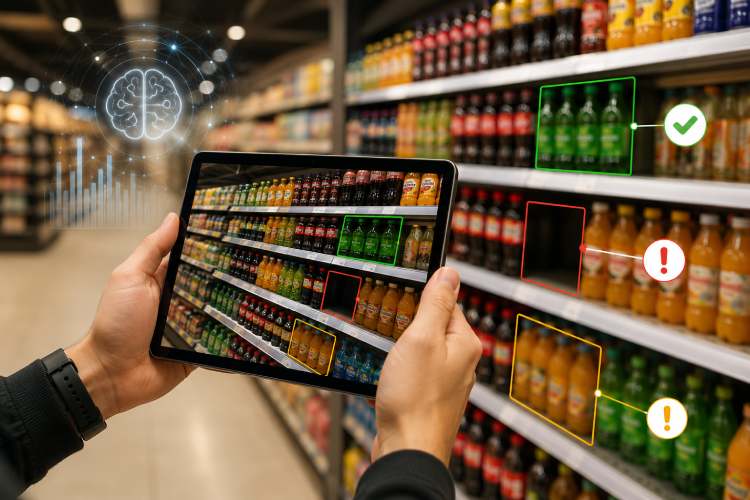
Retail image recognition technology helps brands analyze retail shelf images using AI and computer vision to improve planogram compliance, monitor on-shelf availability, track merchandising execution, and gain real-time visibility into retail operations.
Retailers and CPG brands increasingly use AI-powered image recognition to automate store audits, identify stock gaps, monitor shelf share, and improve field execution across distributed retail locations.
Traditional retail audits are often slow, manual, and inconsistent. In our experience working with retail execution and shelf visibility workflows, we observed that brands struggle most with delayed store-level visibility rather than lack of data collection itself. By the time audit reports reach regional managers, shelf conditions may have already changed.
Modern retail image recognition technology helps retail teams move from reactive reporting to real-time retail execution intelligence.
Retail image recognition technology uses artificial intelligence and computer vision to analyze images and videos captured inside retail stores. The technology identifies products, pricing labels, facings, shelf placements, stock gaps, and promotional displays automatically.
Modern retail image recognition systems commonly include:
Retail brands use these systems to improve retail execution visibility across stores and reduce dependency on manual audits.
Retail image recognition is no longer just about identifying products on shelves. Modern systems help brands monitor execution quality, identify compliance gaps, and improve operational decision-making across retail environments.
In our observation, retail teams rarely struggle with collecting store images. The bigger challenge is turning shelf data into actionable workflows. Many traditional audit systems generate reports, but they do not help field teams resolve execution issues quickly.
That is where modern AI-powered retail execution platforms are changing operational workflows. Shelf images are now becoming a source of real-time retail intelligence rather than static reporting data.
Retail execution inconsistencies create major operational challenges for brands operating across multiple retail locations.
Common problems include:
Even small shelf execution gaps across thousands of stores can create significant revenue leakage for FMCG and CPG brands.
While working on retail execution SEO campaigns, we observed that enterprise buyers searching for retail image recognition technology were usually trying to solve operational visibility problems rather than looking for AI technology explanations.
Pages focused on:
generated significantly stronger engagement compared to generic AI-focused educational content.
This reflects a broader shift happening in retail operations. Brands increasingly want actionable execution intelligence instead of standalone analytics dashboards.
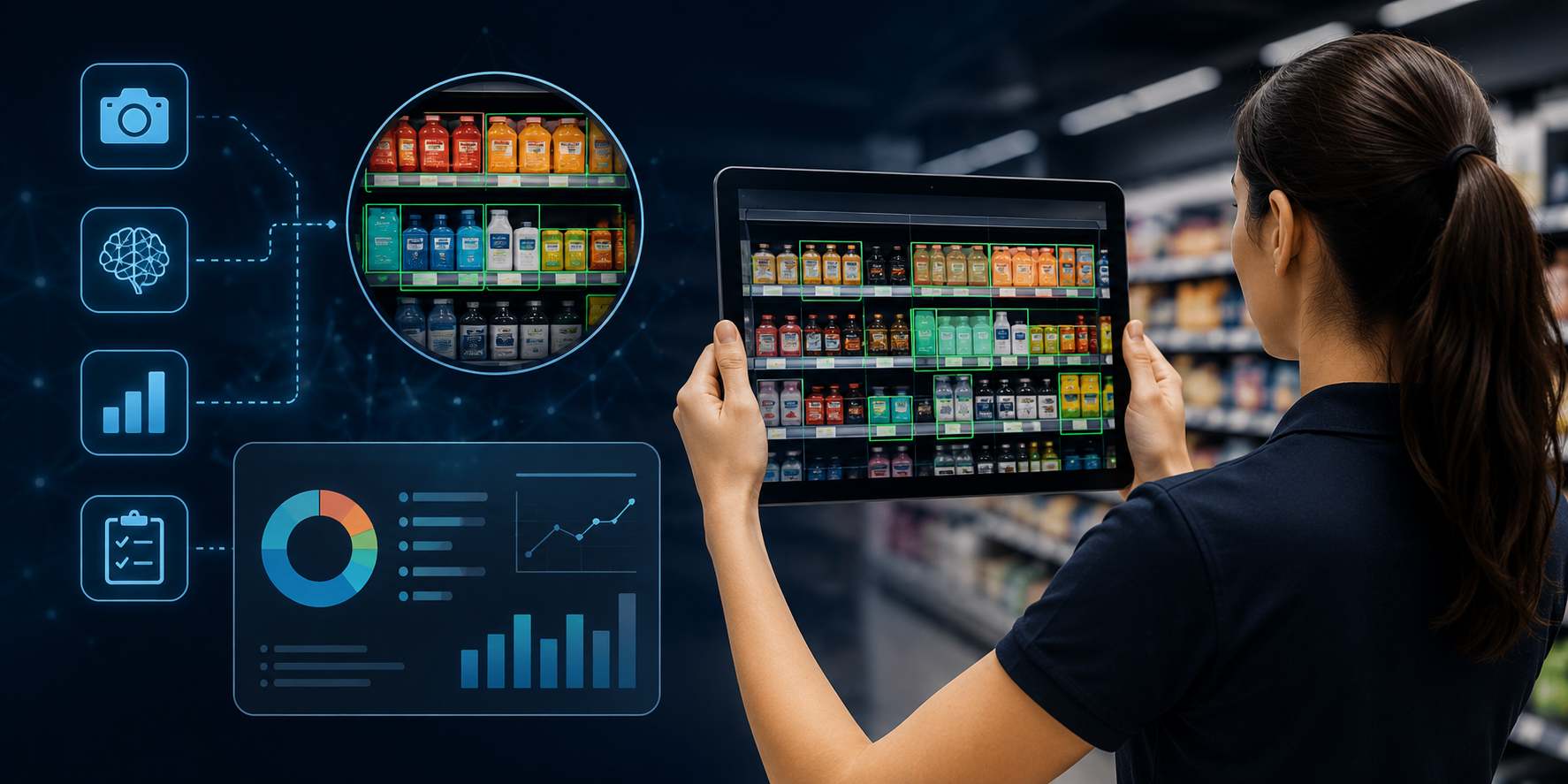
Most retail image recognition platforms follow a workflow similar to this:
Shelf images are captured using:
Field teams can quickly upload shelf images during store visits without relying on spreadsheet-based reporting processes.
AI-powered computer vision models analyze shelf images using:
These models identify products based on packaging, logos, colors, labels, and shelf positioning.
Unlike manual audits, AI systems can process large volumes of shelf images consistently and at scale.
After product recognition, the system analyzes:
AI compares actual shelf conditions against expected merchandising standards to identify execution gaps automatically.
Retail image recognition systems generate important operational KPIs such as:
These KPIs help retail teams monitor merchandising performance across stores and regions.
Most competitors stop at analytics and reporting.
However, in our observation, reporting alone rarely improves store execution unless operational workflows are connected to the insights.
Modern retail execution platforms help teams:
This operational layer is becoming one of the most important differentiators in retail image recognition technology.
Retail image recognition technology supports multiple retail execution workflows.
AI helps brands automatically verify whether shelf layouts follow approved merchandising standards. The system can detect misplaced products, incorrect facings, and shelf arrangement deviations automatically.
Retail teams can identify stock gaps and empty shelf spaces in near real time, helping reduce lost sales opportunities caused by out-of-stock products.
AI-powered shelf analysis helps replace manual audits with automated retail monitoring workflows.
This improves:
Brands can verify whether promotional displays and campaign materials are correctly executed across retail stores.
Retail image recognition systems help brands measure product visibility and compare shelf share against competitors.
AI can monitor pricing labels and promotional tags to improve pricing consistency across stores.
Brands can analyze competitor product placement, shelf visibility, and merchandising strategies using shelf image analytics.
In our observation, the biggest operational advantage of AI-powered shelf monitoring is not only automation — it is reducing the time between issue detection and corrective action.
That speed directly impacts retail execution quality.
AI reduces the time required for manual shelf verification and retail audit workflows.
Retail teams gain near real-time visibility into shelf conditions across stores and territories.
Automated image analysis reduces dependency on spreadsheets and manual reporting.
Field representatives can identify and resolve execution issues faster during store visits.
Brands can maintain more consistent merchandising standards across retail environments.
Retail managers can access store-level execution data without waiting days for manual reports.
The biggest value of retail image recognition technology is not just detecting shelf problems — it is reducing the time between detection and corrective action.
In our experience analyzing retail execution workflows, brands that operationalize corrective actions faster often improve merchandising consistency significantly compared to teams relying only on delayed audit reporting.
Blurry images, poor lighting, and incorrect camera angles can reduce recognition accuracy.
Frequent packaging redesigns may require AI systems to retrain product recognition models.
Crowded shelves and overlapping products create additional image analysis complexity.
Many retail environments require offline image capture capabilities due to inconsistent connectivity.
Retailers managing thousands of SKUs require highly scalable AI recognition systems.
Product assortments often differ by region, store format, or distributor network.
AI systems require continuous training when new SKUs and packaging formats are introduced.
Competitors often ignore these implementation realities, but operational deployment challenges significantly impact the long-term success of retail image recognition initiatives.
Pazo combines retail image recognition technology with retail execution workflows to help brands improve operational visibility and in-store execution quality.
The platform enables retail teams to:
In our observation, enterprise retail buyers increasingly prefer operational workflow platforms instead of standalone analytics tools because they want faster issue resolution, not just reporting dashboards.
Pazo helps retail teams move from manual shelf audits to real-time retail execution intelligence.
Yes. Retail image recognition systems can identify empty shelf spaces and missing products in near real time.
Accuracy depends on image quality, SKU complexity, and model training, but modern AI systems can achieve high recognition accuracy across retail environments.
Retail image recognition technology is widely used in FMCG, grocery retail, beverage companies, consumer goods, cosmetics retail, and pharma retail environments.
As someone who has built highly scalable products from the ground up, I've always been drawn to solving challenging problems. But it's the quest for operational excellence that truly lights my fire. The thrill of streamlining processes, optimizing efficiency, and bringing out the best in a business – that's what gets me out of bed in the morning. Whether I'm knee-deep in programming or strategizing solutions, my focus is on creating a ripple effect of excellence that transforms not just businesses, but the industry at large. Ready to join forces and raise the bar for operational excellence? Let's connect and make retail operations and Facilities Management better, together.
Stay up to date with the latest video business news, strategies, and insights sent straight to your inbox!