Restaurant
Restaurant Employee Safety: Best Practices for a Safer Workplace
Learn how to improve restaurant employee safety with practical guidelines, safety procedures, and workplace safety best practices.

CEO - Pazo

Learn how to improve restaurant employee safety with practical guidelines, safety procedures, and workplace safety best practices.
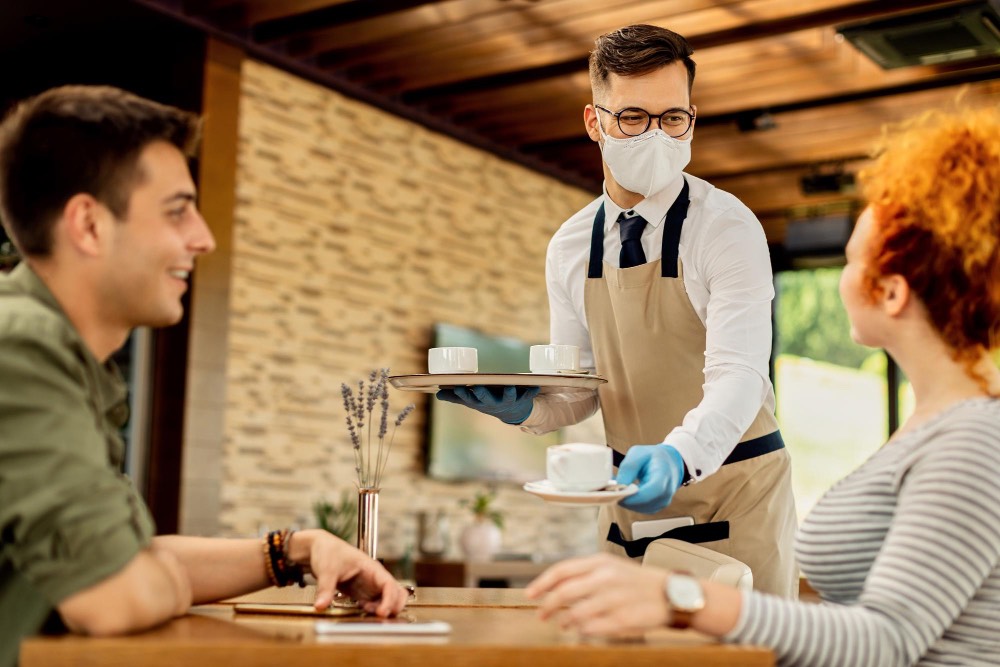
Restaurant environments are fast-paced and require employees to handle multiple responsibilities throughout their shifts. Staff members often work with hot equipment, sharp tools, heavy supplies, and slippery surfaces, all of which can create safety risks if not managed properly. Ensuring restaurant employee safety in restaurants is essential not only for protecting staff but also for maintaining smooth operations. When safety standards are followed consistently, restaurants can reduce workplace injuries and create a safer working environment. A strong safety culture also improves employee confidence and productivity. By implementing clear safety procedures and training programs, restaurants can help protect employees and maintain efficient operations.
Employee safety is a critical aspect of restaurant operations. Restaurants are busy workplaces where employees handle hot surfaces, sharp tools, heavy equipment, and fast-moving service environments. Without proper safety procedures, these conditions can lead to workplace injuries and operational disruptions. Prioritizing restaurant employee safety helps protect staff from accidents and ensures that daily operations run smoothly. When employees feel safe at work, they are more confident, productive, and able to focus on delivering quality service. Establishing strong safety practices also helps restaurants comply with workplace safety regulations and maintain a responsible work environment.
Common Safety Risks in Restaurants:
Restaurant employee safety depends on several operational areas working together to reduce workplace risks. From kitchen operations to equipment handling, employees must follow proper safety practices to prevent accidents and injuries. Managers should ensure that safety procedures are clearly defined and consistently followed by staff members. Regular safety checks and training programs also help reinforce safe working habits. By focusing on key safety areas, restaurants can create a safer environment for employees and maintain efficient operations.
Kitchens are one of the most hazardous areas in a restaurant due to hot surfaces, open flames, and sharp tools. Employees must follow proper safety procedures when handling knives, hot pans, and cooking equipment. Keeping workstations organized and using protective equipment helps reduce the risk of burns and cuts.
Proper food handling practices help protect both employees and customers. Staff members must follow hygiene standards such as washing hands regularly, using clean utensils, and storing ingredients correctly. These practices help prevent food contamination and maintain safe working conditions.
Restaurants use various equipment such as ovens, fryers, mixers, and refrigeration units. Employees must understand how to operate this equipment safely and report any malfunctions immediately. Regular equipment inspections help prevent accidents and ensure smooth operations.
Maintaining a clean and organized workspace is essential for employee safety. Spilled liquids, cluttered walkways, and poorly stored items can increase the risk of slips, falls, or injuries. Regular cleaning and proper storage help maintain a safe work environment.
Restaurants should be prepared to handle emergencies such as fires, injuries, or equipment failures. Employees should know emergency procedures, including how to respond to accidents and where safety equipment such as fire extinguishers and first-aid kits are located.
Maintaining employee safety in restaurants can be challenging due to the fast-paced nature of the work environment. Staff members often juggle multiple tasks during busy service hours, which can increase the risk of accidents if safety procedures are overlooked. In some cases, restaurants may lack structured safety guidelines or regular training programs. Communication gaps between managers and staff can also make it difficult to enforce safety standards consistently. Addressing these challenges is important to ensure that safety practices remain a priority in daily restaurant operations.
Common Safety Challenges in Restaurants:
A restaurant employee safety checklist helps managers ensure that safety procedures are followed consistently throughout the workday. Restaurants involve many activities that can create potential safety risks, including cooking, food preparation, cleaning, and equipment handling. Without a structured checklist, important safety practices may be overlooked during busy service hours. A clear safety checklist helps staff stay aware of workplace hazards and maintain a safe working environment. It also allows managers to regularly review safety conditions and ensure that safety standards are maintained across shifts.
Typical Restaurant Employee Safety Checklist:
Improving restaurant employee safety requires a proactive approach that combines training, clear procedures, and regular safety monitoring. Restaurant managers should create an environment where safety practices are consistently followed and employees feel responsible for maintaining a safe workplace. When staff members understand safety guidelines and potential risks, they are better prepared to prevent accidents. Regular communication about safety procedures also helps reinforce good practices during daily operations. By prioritizing safety improvements, restaurants can reduce workplace injuries and maintain smoother operations.
Safety training helps employees understand how to handle equipment, follow hygiene standards, and respond to potential hazards. Regular training sessions ensure that both new and experienced employees stay aware of safety procedures.
Restaurants should create clear guidelines for handling equipment, maintaining cleanliness, and responding to emergencies. Well-defined procedures help employees follow consistent safety practices during their shifts.
Employees should feel comfortable reporting accidents, hazards, or equipment issues. Early reporting allows managers to address safety risks quickly and prevent larger problems.
Regular safety inspections help identify potential hazards such as faulty equipment or unsafe working conditions. Managers can use inspection results to improve workplace safety.
Safety should be a shared responsibility among all employees. Encouraging teamwork and accountability helps ensure that staff members look out for each other and follow safety practices consistently.
Technology plays an increasingly important role in improving restaurant employee safety. Digital tools help restaurants monitor safety procedures, track operational tasks, and report incidents more efficiently. Instead of relying only on manual reporting or verbal communication, restaurants can use technology to document safety checks and monitor compliance with safety standards. This improves visibility into workplace conditions and allows managers to respond quickly to potential hazards. By integrating technology into safety management, restaurants can strengthen their safety practices and maintain better operational control.
How Technology Supports Restaurant Safety:
Maintaining employee safety in restaurants requires consistent monitoring of safety procedures and clear communication between staff and management. Pazo helps restaurants strengthen safety management by providing a centralized platform to track operational tasks, report incidents, and monitor compliance with safety standards. Instead of relying on manual reporting, restaurant teams can document safety checks and report issues digitally. This improves visibility into workplace conditions and helps managers respond to potential risks quickly. By organizing safety processes through a structured system, restaurants can create a safer environment for employees and maintain smoother operations.
How Pazo Supports Restaurant Employee Safety:
Maintaining restaurant employee safety requires consistent attention to safety procedures and workplace practices. Restaurants that implement structured safety programs are better able to prevent accidents and maintain a safe working environment. Managers should regularly review safety conditions, train employees on proper procedures, and encourage open communication about potential hazards. When safety becomes part of daily operations, employees are more likely to follow guidelines and remain aware of workplace risks. Following best practices helps restaurants protect employees and maintain efficient operations.
Best Practices for Restaurant Safety:
Restaurant employee safety is essential for maintaining a productive and efficient workplace. In fast-paced restaurant environments, employees face various risks related to equipment handling, kitchen operations, and busy service periods. Implementing clear safety procedures, providing regular training, and monitoring workplace conditions can significantly reduce these risks. When restaurants prioritize safety, employees are better protected and more confident in performing their responsibilities. A strong safety culture also helps maintain operational efficiency and ensures compliance with workplace safety standards. By combining proper safety practices with supportive technology like Pazo, restaurants can create a safer environment for employees while maintaining smooth daily operations.
As someone who has built highly scalable products from the ground up, I've always been drawn to solving challenging problems. But it's the quest for operational excellence that truly lights my fire. The thrill of streamlining processes, optimizing efficiency, and bringing out the best in a business – that's what gets me out of bed in the morning. Whether I'm knee-deep in programming or strategizing solutions, my focus is on creating a ripple effect of excellence that transforms not just businesses, but the industry at large. Ready to join forces and raise the bar for operational excellence? Let's connect and make retail operations and Facilities Management better, together.
Stay up to date with the latest video business news, strategies, and insights sent straight to your inbox!