Retail
Visual Merchandising Standards: How to Improve Retail Store Displays & Sales
A complete guide to visual merchandising standards covering planograms, checklist, implementation steps, and best practices for better store execution.

CEO - Pazo

A complete guide to visual merchandising standards covering planograms, checklist, implementation steps, and best practices for better store execution.
Visual merchandising standards in retail define how products are displayed, arranged, and presented in-store to ensure consistency and maximize sales. They help retailers control how customers see, explore, and interact with products across all store locations. In today’s competitive retail environment, visual presentation plays a major role in influencing buying decisions. Without clear standards, stores often struggle with inconsistent displays, poor product visibility, and weak promotional impact. A structured approach ensures that every display supports both brand identity and sales performance. In simple terms, visual merchandising standards turn store presentation into a consistent and revenue-driving system.
Visual merchandising standards are a set of guidelines that define how products should be displayed, arranged, and presented inside a retail store. They ensure that every store follows a consistent layout, display structure, and visual presentation aligned with the brand. These standards help control how products are seen and experienced by customers during their shopping journey. Instead of leaving display decisions to individual stores, retailers use standards to maintain uniformity across all locations. This improves both product visibility and customer experience. In simple terms, visual merchandising standards ensure that every store looks and performs the same way.
Visual merchandising standards are important because they ensure that every store delivers a consistent and high-quality shopping experience. When products are displayed correctly, customers can easily find, understand, and choose what they want to buy. Inconsistent or poorly executed displays can confuse customers and reduce sales. Standardized merchandising helps retailers maintain control over how products are presented across multiple locations. It also ensures that promotions and high-priority products get the attention they need. In simple terms, strong visual merchandising standards turn store presentation into a reliable driver of sales and brand consistency.
Visual merchandising standards are built on a set of core elements that define how products should be presented inside a store. These elements ensure that displays are not only visually appealing but also aligned with sales objectives and customer behavior. When executed correctly, they guide customer attention, improve navigation, and increase the likelihood of purchase. Each element works together to create a structured and consistent in-store experience across locations. Without these standards, merchandising becomes inconsistent and difficult to control. In simple terms, these elements form the foundation of high-impact, revenue-driven visual merchandising.
Product placement determines what customers notice first. High-priority items—such as bestsellers, new arrivals, or high-margin products—should be placed at eye level where visibility is highest. Supporting or complementary products can be placed nearby to encourage additional purchases. A clear hierarchy ensures that important products stand out while maintaining an organized shelf structure.
Planograms act as a blueprint for how products should be arranged on shelves and displays. Following planograms ensures that every store maintains the same layout and product positioning. This consistency improves customer familiarity across locations and helps optimize shelf space based on performance data. Even small deviations from planograms can impact visibility and sales.
Displays should be designed to attract attention and guide customer focus toward key products. Focal points—such as featured tables or promotional sections—highlight priority items and create a visual entry point for customers. Well-designed displays make it easier for customers to explore products without feeling overwhelmed.
Lighting plays a crucial role in enhancing product presentation. Proper lighting highlights key products, improves visibility, and creates an inviting store atmosphere. It can also be used to draw attention to specific sections or displays, helping guide customer movement within the store.
Signage helps communicate important information such as pricing, offers, and product details. Clear, well-placed signage reduces confusion and supports faster decision-making. Promotional materials should be consistent with brand guidelines and positioned where customers can easily notice them.
A clean and organized store makes products more appealing and easier to access. Cluttered or poorly maintained displays reduce visibility and create a negative impression. Regular maintenance ensures that shelves remain properly stocked, aligned, and visually consistent.
Retailers use different visual merchandising standards based on store format, product category, and customer behavior. Each type focuses on how products are presented in specific areas of the store to maximize visibility and engagement. Instead of using a single approach, most retailers combine multiple types to create a complete in-store experience. These standards help ensure that displays are relevant, consistent, and aligned with business goals. Understanding these types allows retailers to apply the right strategy in the right place. In simple terms, they define how different parts of the store should look and function.
Window displays are the first point of interaction between the store and potential customers. These standards define how products, themes, and visuals should be arranged to attract attention and drive foot traffic. A strong window display creates curiosity and encourages customers to enter the store.
These standards focus on how products are presented inside the store, including shelves, tables, and racks. They ensure that displays are clean, organized, and easy to navigate. Proper in-store displays improve product visibility and make shopping more convenient.
Promotional displays highlight discounts, offers, or new launches. These standards ensure that promotional products are placed in high-visibility areas and supported with clear signage. Effective execution increases the impact of campaigns.
Products are grouped by category to make navigation easier for customers. These standards define how related products should be arranged together to improve discoverability and encourage additional purchases.
Seasonal standards focus on updating displays based on festivals, trends, or time-specific demand. They ensure that stores remain relevant and engaging throughout the year by aligning with customer expectations.
A visual merchandising checklist helps retailers ensure that all display standards are followed consistently across stores. It provides a simple and structured way to verify that products are placed correctly, displays are maintained, and visual guidelines are executed properly. Without a checklist, small errors can go unnoticed and impact both sales and customer experience. A well-defined checklist makes merchandising measurable and easier to manage at scale. It also helps identify issues early and ensures quick corrective action. In simple terms, a checklist turns visual merchandising into a controlled and repeatable process.
Ensure that basic visual presentation and store appearance are maintained at all times.
Implementing visual merchandising standards requires more than just defining guidelines—it requires consistent execution across all stores. Many retailers create standards, but struggle to ensure they are followed on the ground. A structured approach helps convert these standards into daily store practices. Each step focuses on clarity, consistency, and accountability. When implemented correctly, it improves product visibility, strengthens brand consistency, and drives better sales performance. In simple terms, this process turns visual standards into measurable store execution.
Start by documenting how products should be displayed across all store areas. This includes shelf arrangements, display formats, signage guidelines, and visual hierarchy. Standards should be simple, visual, and easy for store teams to follow.
Develop planograms that clearly define product placement and shelf structure. These layouts act as a reference for store teams and ensure consistency across locations. Planograms should be aligned with product performance and store layout.
Ensure that store staff understand the standards and know how to implement them. Training should cover product placement, display setup, and maintenance. Well-trained teams reduce execution errors and improve consistency.
Regular monitoring is essential to ensure standards are followed. This can include store audits, visual checks, and performance reviews. Frequent monitoring helps identify issues early.
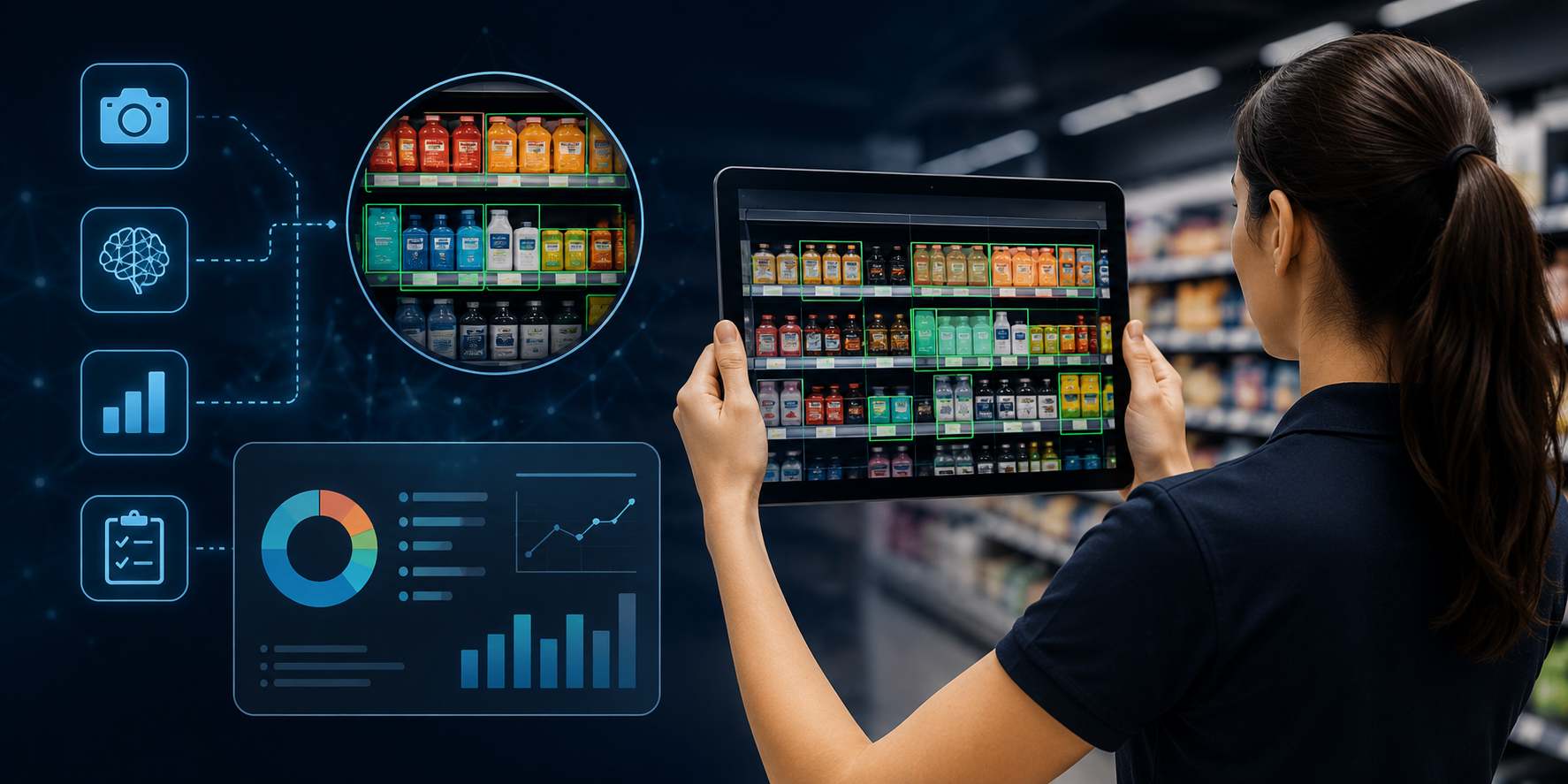
Use photo-based verification to confirm that displays are implemented correctly. Visual proof reduces ambiguity and allows remote validation of store execution.
Measure how well stores are following visual merchandising standards. Track compliance rates, display accuracy, and performance impact. This helps identify gaps and improve execution.
Visual merchandising should evolve based on customer behavior, trends, and performance data. Regularly update standards to keep stores relevant and effective.
Following visual merchandising standards is important, but applying them effectively requires the right approach. Best practices help retailers maintain consistency while also improving display impact and customer engagement. Even small improvements in how products are presented can lead to better visibility and higher conversions. These practices ensure that standards are not just followed, but optimized for performance. When applied consistently, they make stores more attractive, organized, and easier to navigate. In simple terms, best practices help turn visual merchandising into a high-impact sales driver.
Avoid overcrowding shelves or displays with too many products. A clean and simple presentation helps customers focus on key items and reduces confusion.
Place high-priority or high-margin products at eye level to maximize visibility. This area receives the most attention and has the highest impact on purchase decisions.
Ensure that all stores follow the same visual standards and layouts. Consistency strengthens brand identity and creates a familiar shopping experience for customers.
Update displays frequently to keep the store visually engaging. Seasonal changes, new arrivals, and promotions should be reflected in the store layout.
Signage should be easy to read and placed where customers can quickly notice it. Clear communication improves decision-making and enhances the shopping experience.
Keep displays organized and free from unnecessary items. A clean store makes products more appealing and improves overall presentation.
Even with well-defined visual merchandising standards, maintaining consistent execution across stores is a major challenge. Many retailers create detailed guidelines, but store-level implementation often varies. Small deviations in product placement, display setup, or maintenance can significantly impact visibility and sales. As the number of stores increases, these challenges become more difficult to manage. Without proper monitoring and accountability, standards lose effectiveness over time. In simple terms, the biggest challenge is not defining standards—but ensuring they are followed consistently.
Different stores may interpret standards differently, leading to variation in displays, layouts, and product placement. This reduces brand consistency and affects customer experience.
Retailers often do not have immediate insight into how stores are executing visual standards. Issues are identified only during periodic audits, by which time the impact has already occurred.
Store teams may not strictly follow planograms due to convenience or lack of clarity. Even small deviations can reduce product visibility and affect performance.
Displays may degrade over time due to lack of regular upkeep. Misaligned products, missing signage, or cluttered shelves reduce visual appeal.
Without clear ownership and tracking, tasks related to visual merchandising may be missed or delayed. This leads to recurring execution gaps.
Managing visual merchandising standards manually becomes difficult as store networks grow. Technology helps retailers simplify execution, improve visibility, and maintain consistency across locations. Instead of relying on manual audits or delayed reporting, digital tools provide real-time insights into store-level execution. This allows retailers to identify issues quickly and take corrective action. Technology also reduces human error and improves accountability across teams. In simple terms, it transforms visual merchandising from a manual process into a scalable and data-driven system.
Digital platforms provide a centralized view of how visual standards are being executed across all locations. Managers can track compliance instantly and identify gaps without waiting for physical audits.
Paper-based audits are replaced with standardized digital checklists. This ensures consistency in inspections, reduces errors, and makes it easier to track compliance across stores.
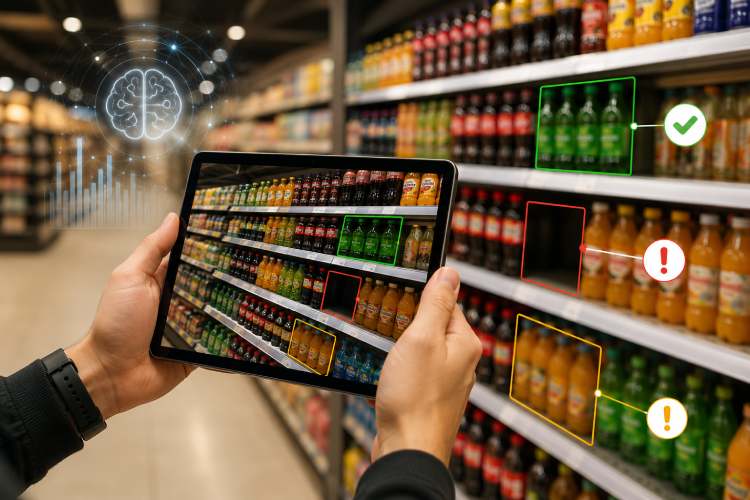
Store teams can upload images of displays as proof of execution. This allows remote verification of visual merchandising standards and ensures accuracy without frequent store visits.
Technology can send reminders for tasks such as display updates, audits, and maintenance. Alerts for missed tasks help ensure that standards are consistently followed.
All merchandising data is stored in one place, allowing retailers to analyze trends, compare store performance, and identify recurring issues. This supports better decision-making.
When issues are identified, they can be assigned and resolved quickly through digital systems. Faster response times reduce the impact of merchandising gaps on sales.
Maintaining visual merchandising standards across multiple stores requires more than guidelines—it requires structured execution and real-time visibility. This is where Pazo helps retailers simplify and strengthen visual merchandising control. Instead of relying on manual audits or delayed communication, Pazo turns merchandising standards into clear, trackable workflows. This ensures that every store follows the same display guidelines and maintains consistent execution. With better visibility and accountability, retailers can identify issues early and take corrective action quickly. In simple terms, Pazo helps retailers move from planned standards to consistent on-ground execution.
Pazo allows retailers to convert visual merchandising standards into clearly assigned tasks. Each task has a defined owner and deadline, ensuring that display setups and updates are completed on time.
Pazo provides standardized digital checklists for visual merchandising audits. This ensures that all stores follow the same inspection process and reduces the chances of missing critical checks.
Retailers can monitor compliance across all locations through a centralized dashboard. This helps identify non-compliant stores instantly and take immediate action.
Store teams can upload images of displays as proof of execution. This allows remote validation of planogram compliance, display quality, and overall store presentation.
Pazo automatically flags missed tasks or compliance gaps. Issues can be assigned, tracked, and resolved quickly, improving accountability and reducing delays.
Pazo provides data on compliance rates and recurring issues. Retailers can use these insights to improve standards, train teams, and optimize visual merchandising strategies.
Visual merchandising standards are guidelines that define how products should be displayed, arranged, and presented in a retail store to ensure consistency and improve sales.
They help maintain consistent store presentation, improve product visibility, enhance customer experience, and increase sales through better display execution.
A planogram is a visual layout that shows how products should be placed on shelves or displays to maximize visibility and performance.
Retailers can improve standards by using clear guidelines, training staff, monitoring execution regularly, and using technology for tracking and validation.
Examples include eye-level product placement, clean and organized displays, proper lighting, clear signage, and consistent store layouts.
Visual merchandising standards are not just about making stores look good—they are about driving consistent execution and improving sales performance. When products are displayed correctly, customers can easily navigate the store, discover products, and make faster purchase decisions.
The real impact of visual merchandising comes from consistency across all store locations. Even small gaps in execution can reduce visibility and affect customer experience. Retailers that focus on structured standards, regular monitoring, and continuous improvement are able to maintain control at scale.
By combining clear guidelines, strong execution, and data-driven insights, retailers can turn visual merchandising into a powerful growth driver. In today’s competitive retail environment, well-executed visual standards are essential for delivering a consistent brand experience and maximizing store performance.
As someone who has built highly scalable products from the ground up, I've always been drawn to solving challenging problems. But it's the quest for operational excellence that truly lights my fire. The thrill of streamlining processes, optimizing efficiency, and bringing out the best in a business – that's what gets me out of bed in the morning. Whether I'm knee-deep in programming or strategizing solutions, my focus is on creating a ripple effect of excellence that transforms not just businesses, but the industry at large. Ready to join forces and raise the bar for operational excellence? Let's connect and make retail operations and Facilities Management better, together.
Stay up to date with the latest video business news, strategies, and insights sent straight to your inbox!