Retail
Retail Compliance Reporting: How Retailers Ensure Operational Standards
Learn how retail compliance reporting helps retailers track store audits, monitor standards, and improve operational visibility across locations.

CEO - Pazo


Learn how retail compliance reporting helps retailers track store audits, monitor standards, and improve operational visibility across locations.
Retail businesses operate across multiple locations, each required to follow specific operational standards, safety regulations, and brand guidelines. Ensuring that every store follows these requirements consistently is a major challenge for retail managers. This is where retail compliance reporting becomes essential. Compliance reporting helps retailers track whether stores are following standard operating procedures, maintaining safety standards, and executing promotions correctly. Without structured reporting systems, it becomes difficult to identify compliance gaps or operational issues. Effective retail compliance reporting allows leadership teams to monitor store performance, address issues quickly, and maintain consistent standards across all locations.
Retail compliance reporting refers to the process of documenting and tracking whether retail stores follow established operational standards, safety regulations, and brand guidelines. Retail organizations often operate multiple locations, making it important to verify that each store follows the same procedures and policies. Compliance reports help managers review store performance, identify deviations from standards, and take corrective action when necessary. These reports may include information about store audits, safety checks, promotional displays, and operational task completion. By maintaining structured compliance reports, retailers can ensure that store operations remain consistent and aligned with company policies.
Pain Points in Retail Compliance Reporting:
Retail compliance reporting covers several operational areas that ensure stores follow company policies and industry regulations. These reports help managers verify whether store teams are maintaining brand standards, following safety procedures, and completing required operational tasks. By monitoring these areas regularly, retailers can quickly identify compliance gaps and take corrective actions. Structured compliance reporting also helps maintain consistency across multiple store locations and improves overall operational control.
Store standard operating procedures (SOPs) define how daily activities should be performed in retail locations. Compliance reporting helps ensure that store teams follow these procedures consistently. Regular SOP checks help maintain operational discipline and prevent deviations from established workflows.
Retailers often follow specific visual merchandising guidelines to maintain brand consistency. Compliance reporting helps verify that product displays, shelf arrangements, and promotional materials match the brand’s merchandising standards.
Retail stores must maintain safety and hygiene standards to protect both customers and employees. Compliance reports help track safety checks, cleanliness verification, and adherence to health regulations within store environments.
Promotional campaigns and in-store marketing activities must be executed correctly across all locations. Compliance reporting helps retailers verify whether promotional displays, signage, and offers are implemented as planned.
Retail operations involve many routine tasks such as inventory checks, store inspections, and maintenance reporting. Compliance reporting helps managers ensure that these operational tasks are completed consistently and on time.
Retail compliance reporting becomes increasingly challenging as store networks expand. Managers must track operational standards, safety checks, promotional execution, and daily task completion across multiple locations. When reporting processes rely on manual updates or fragmented systems, compliance gaps can easily go unnoticed. Many retail organizations struggle to collect accurate data from stores in a timely manner. Without proper visibility into store activities, it becomes difficult to identify operational issues and ensure consistent compliance across locations.
Major Challenges in Retail Compliance Reporting:
A retail compliance reporting checklist helps ensure that stores consistently follow operational standards and company policies. Retail managers often need to verify multiple aspects of store operations, including safety procedures, merchandising standards, and promotional execution. Without a structured checklist, important compliance checks may be missed during routine store audits. A well-defined compliance checklist helps store teams understand their responsibilities and ensures that reporting remains consistent across locations. It also allows managers to review store performance more efficiently and identify areas that require improvement.
Typical Retail Compliance Reporting Checklist:
Improving retail compliance reporting requires clear processes, accurate data collection, and better visibility into store operations. Retailers that standardize compliance procedures and adopt digital reporting tools can track store performance more effectively. Consistent reporting also helps managers identify compliance gaps early and address issues before they affect operations. By improving reporting practices, retailers can maintain operational discipline and ensure that every store follows the same standards.
Standardized reporting formats help ensure that every store submits compliance data in a consistent manner. When reports follow a clear structure, managers can review compliance information more easily and compare performance across locations.
Manual compliance reporting often leads to delays and data errors. Digital reporting tools allow store teams to submit compliance updates quickly and help managers access accurate information in real time.
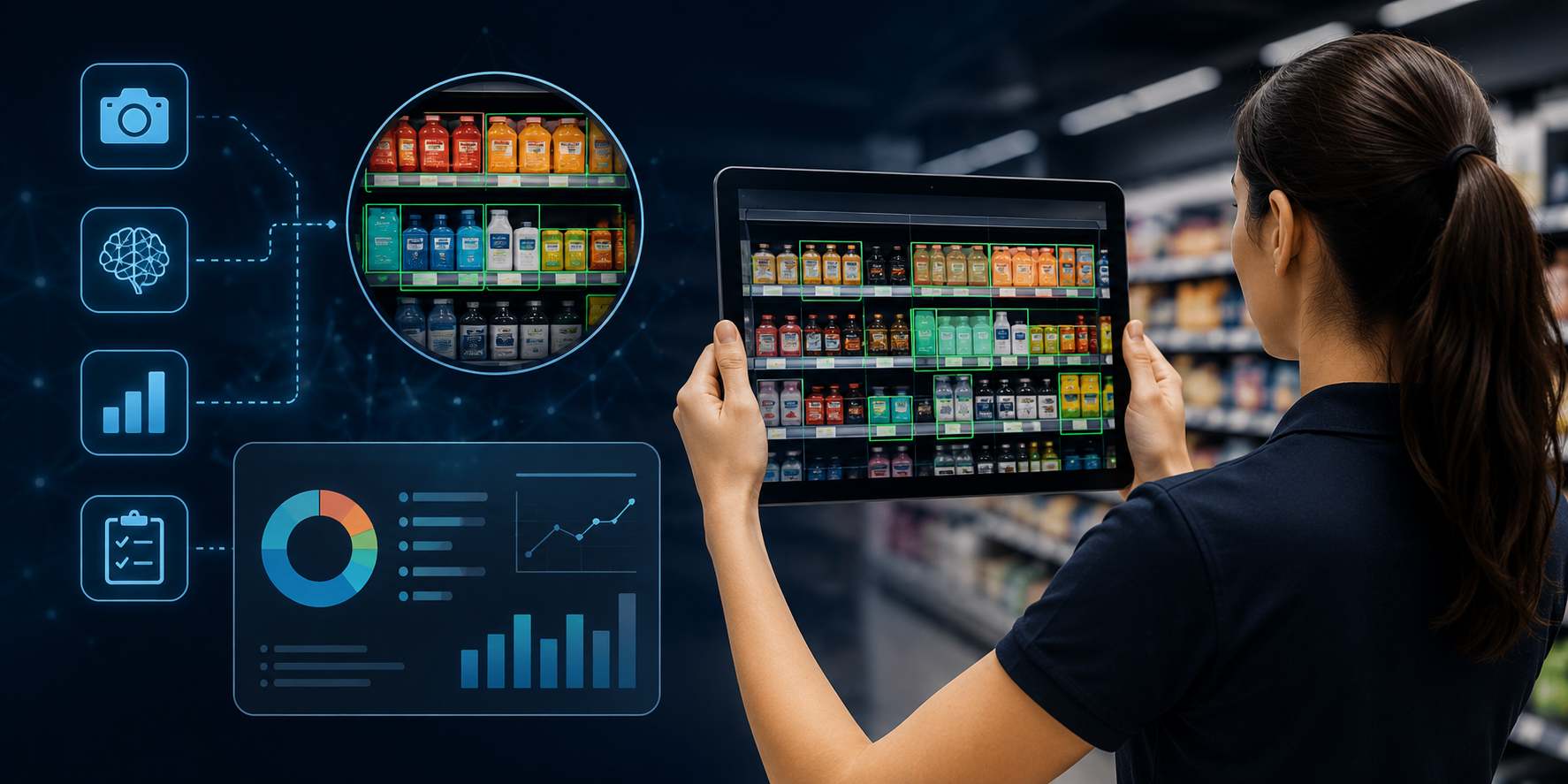
Photo verification helps confirm that compliance tasks have been completed correctly. Store teams can upload images of displays, safety checks, or operational tasks to support their compliance reports.
Real-time monitoring helps managers identify compliance issues as soon as they occur. This allows leadership teams to respond quickly and maintain operational consistency across stores.
Proper training ensures that store employees understand compliance requirements and reporting procedures. Well-trained teams are more likely to follow guidelines and submit accurate compliance reports.
As retail operations grow, managing compliance reporting manually becomes increasingly difficult. Retail compliance reporting software helps organizations automate reporting processes, track store compliance activities, and maintain better visibility across locations. These systems allow managers to collect compliance data, monitor store performance, and identify operational issues more efficiently. By using compliance reporting software, retailers can reduce manual errors and ensure that compliance information is updated consistently. This helps leadership teams maintain stronger control over operational standards across their retail network.
Compliance software allows store teams to submit reports digitally, reducing the need for manual documentation. Automated reporting helps ensure that compliance data is recorded accurately and submitted on time.
Retail compliance reporting software provides real-time insights into store activities. Managers can quickly review compliance status across locations and identify stores that require attention.
Centralized dashboards help leadership teams monitor compliance performance across multiple stores. These dashboards provide a clear overview of compliance activities, making it easier to track operational standards.
Retail compliance software helps track store audits and inspections systematically. Managers can review past reports, monitor recurring issues, and ensure that corrective actions are completed.
Managing compliance across multiple retail locations requires clear visibility and structured reporting systems. Pazo helps retailers streamline retail compliance reporting by providing a centralized platform to track store activities, monitor task completion, and report compliance issues. Instead of relying on manual reports or fragmented communication, store teams can update compliance information digitally in real time. This allows managers to quickly identify compliance gaps and ensure that operational standards are maintained across locations. By improving reporting accuracy and visibility, Pazo helps retail organizations maintain stronger operational control.
Pazo allows managers to monitor compliance activities across stores in real time. This helps identify deviations from operational standards quickly and enables faster corrective action.
Retail compliance tasks such as store audits, safety checks, and operational procedures can be assigned and tracked through the platform. This ensures that compliance responsibilities are clearly defined and completed on time.
Store teams can upload photos as proof of task completion. This helps managers verify compliance activities such as merchandising displays, safety checks, and promotional execution.
Pazo provides a centralized dashboard where managers can review compliance reports from all store locations. This helps leadership teams maintain consistent standards across the retail network.
Effective retail compliance reporting requires consistent processes, clear accountability, and regular monitoring of store activities. Retailers that implement structured reporting practices are better able to maintain operational standards across locations. By establishing clear compliance procedures and reviewing reports regularly, managers can quickly identify gaps and ensure that stores follow company policies. These best practices help improve reporting accuracy and strengthen overall operational control.
Retailers should define clear guidelines for compliance tasks and reporting requirements. When procedures are standardized, store teams understand exactly how to perform compliance checks and submit reports.
Regular store audits help verify whether compliance standards are being followed. Audits also help identify operational gaps and ensure that corrective actions are implemented promptly.
Tracking compliance metrics allows managers to evaluate store performance and identify recurring issues. Performance monitoring helps retailers maintain consistent operational standards.
Assigning clear responsibility for compliance tasks ensures that employees understand their roles. Accountability improves reporting accuracy and ensures that compliance activities are completed consistently.
Retail compliance reporting is essential for maintaining operational consistency across retail store networks. From verifying safety standards to ensuring proper merchandising and SOP adherence, compliance reporting helps retailers monitor whether stores follow established guidelines. When compliance reporting is handled manually or inconsistently, important operational issues can go unnoticed. Implementing structured reporting processes and digital tools helps retailers improve visibility into store activities and address compliance gaps more quickly. Platforms like Pazo enable retailers to streamline compliance tracking, monitor store performance in real time, and maintain consistent operational standards across locations.
As someone who has built highly scalable products from the ground up, I've always been drawn to solving challenging problems. But it's the quest for operational excellence that truly lights my fire. The thrill of streamlining processes, optimizing efficiency, and bringing out the best in a business – that's what gets me out of bed in the morning. Whether I'm knee-deep in programming or strategizing solutions, my focus is on creating a ripple effect of excellence that transforms not just businesses, but the industry at large. Ready to join forces and raise the bar for operational excellence? Let's connect and make retail operations and Facilities Management better, together.
Stay up to date with the latest video business news, strategies, and insights sent straight to your inbox!