Restaurant
Restaurant Kitchen Hygiene Rules: Essential Standards for Safe Kitchens
Learn essential restaurant kitchen hygiene rules and best practices to maintain safe and clean food preparation environments.

CEO - Pazo

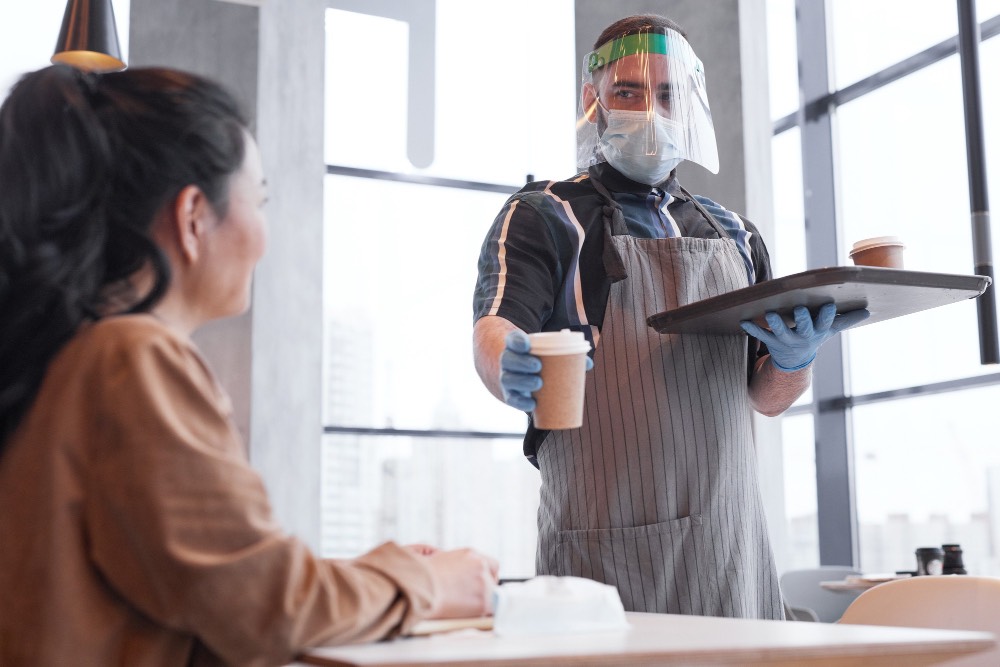
Learn essential restaurant kitchen hygiene rules and best practices to maintain safe and clean food preparation environments.
Maintaining proper hygiene in restaurant kitchens is essential for ensuring food safety and protecting customer health. Restaurant kitchens handle food preparation, cooking, and storage activities throughout the day, making cleanliness and sanitation extremely important. Poor hygiene practices can lead to food contamination, health violations, and damage to a restaurant’s reputation. This is why restaurants must follow strict restaurant kitchen hygiene rules to maintain safe food preparation environments. By implementing proper sanitation practices and training staff on hygiene standards, restaurants can reduce food safety risks. Consistent kitchen hygiene also helps restaurants comply with food safety regulations and maintain customer trust.
Restaurant kitchen hygiene rules are a set of sanitation and food safety practices that ensure food is prepared, handled, and stored in a clean and safe environment. These rules are designed to prevent contamination, maintain kitchen cleanliness, and protect customer health. Health authorities require restaurants to follow strict hygiene standards to reduce the risk of foodborne illnesses. Kitchen hygiene rules apply to food preparation areas, utensils, equipment, and employee hygiene practices. When restaurants consistently follow these rules, they create safer kitchen environments and maintain compliance with food safety regulations.
Common Kitchen Hygiene Requirements:
Restaurant kitchens must follow strict hygiene rules to ensure safe food preparation and prevent contamination. These rules help maintain cleanliness across food preparation areas, equipment, and employee practices. When kitchen staff follow proper hygiene procedures consistently, the risk of foodborne illnesses and safety violations is significantly reduced. Managers should ensure that hygiene standards are clearly defined and regularly monitored. By enforcing essential kitchen hygiene rules, restaurants can maintain safe and compliant kitchen environments.
Kitchen workstations should be cleaned and sanitized regularly to prevent contamination. Spills, food residue, and waste should be removed immediately to maintain a hygienic food preparation area.
Kitchen staff must wash their hands frequently, especially before handling food and after touching raw ingredients. Proper hand hygiene is one of the most effective ways to prevent food contamination.
Raw and cooked foods should be handled separately to avoid contamination. Using separate utensils, cutting boards, and preparation areas helps reduce cross-contamination risks.
Food ingredients must be stored at the correct temperatures and in designated areas. Proper storage prevents spoilage and reduces the risk of bacterial growth.
Kitchen tools, utensils, and appliances should be cleaned and sanitized after each use. Regular sanitation helps maintain safe food preparation conditions.
Kitchen staff should wear appropriate protective clothing such as clean uniforms, hairnets, gloves, and aprons. Protective gear helps prevent hair, dirt, or other contaminants from entering food during preparation. Maintaining clean work attire also supports overall hygiene standards in the kitchen.
Food waste and garbage should be disposed of regularly to prevent odors, pests, and contamination. Waste bins should be covered and cleaned frequently to maintain hygiene in kitchen areas. Proper waste management helps keep food preparation areas clean and safe.
Restaurants must implement pest control measures to prevent insects or rodents from entering the kitchen. Pests can contaminate food supplies and create serious hygiene issues. Regular inspections and proper food storage help reduce pest-related risks.
Kitchen staff should regularly check ingredient expiration dates and remove expired or spoiled items immediately. Using fresh ingredients helps maintain food safety and prevents the risk of foodborne illness.
Kitchen floors should be cleaned frequently and kept dry to prevent slips, falls, and contamination. Spills should be cleaned immediately, and proper floor maintenance helps maintain a safer working environment.
Good ventilation helps remove smoke, heat, and odors from the kitchen environment. Proper airflow also reduces moisture buildup that could lead to hygiene issues or equipment damage.
Maintaining hygiene in restaurant kitchens can be challenging due to the fast-paced and high-pressure environment. Kitchen staff often handle multiple tasks simultaneously, which can lead to sanitation procedures being overlooked during busy service hours. Inconsistent staff training and unclear cleaning responsibilities may also affect hygiene standards. Additionally, without proper monitoring systems, it can be difficult for managers to ensure that hygiene rules are consistently followed. Addressing these challenges is essential to maintain safe food preparation environments and comply with hygiene regulations.
Common Challenges in Restaurant Kitchen Hygiene:
A restaurant kitchen hygiene checklist helps ensure that sanitation tasks are performed consistently during daily operations. Restaurant kitchens involve continuous food preparation, cooking, and cleaning activities, making it essential to monitor hygiene practices regularly. Without a structured checklist, important cleaning or sanitation steps may be missed during busy service hours. A clear hygiene checklist helps kitchen staff stay organized and follow proper food safety procedures. It also allows managers to review hygiene activities and ensure compliance with sanitation standards.
Typical Restaurant Kitchen Hygiene Checklist:
Improving kitchen hygiene requires clear procedures, regular monitoring, and strong staff awareness of sanitation practices. Restaurant managers should ensure that hygiene rules are clearly communicated and followed consistently by kitchen teams. Establishing structured cleaning routines and providing proper training helps employees maintain clean work environments. Regular inspections also help identify hygiene issues before they become serious risks. By focusing on continuous hygiene improvement, restaurants can maintain safe kitchen environments and ensure compliance with food safety standards.
Training helps kitchen employees understand sanitation procedures, safe food handling, and hygiene regulations. Regular training ensures staff remain aware of hygiene standards.
Cleaning schedules help ensure that kitchen surfaces, equipment, and workstations are cleaned regularly. Assigning cleaning responsibilities helps maintain accountability.
Regular monitoring allows managers to verify that hygiene rules are being followed. Inspections help identify sanitation issues early.
Checklists help kitchen staff track hygiene tasks and ensure that sanitation procedures are completed consistently.
Technology can help restaurants manage kitchen hygiene more effectively by improving visibility and accountability for sanitation tasks. Digital tools allow restaurants to track cleaning schedules, document hygiene checks, and monitor compliance with food safety standards. Instead of relying solely on manual logs or verbal confirmation, staff can record sanitation activities using digital systems. This helps managers review hygiene practices in real time and quickly identify potential issues. By using technology to monitor kitchen hygiene, restaurants can maintain more consistent sanitation standards and reduce the risk of contamination.
How Technology Supports Kitchen Hygiene Monitoring:
Maintaining restaurant kitchen hygiene requires consistent monitoring of sanitation tasks and clear communication between staff and management. Pazo helps restaurants streamline hygiene compliance by providing a centralized platform to track sanitation activities, report issues, and monitor operational tasks. Instead of relying on manual records, kitchen staff can document hygiene checks digitally and ensure that cleaning procedures are completed on time. Managers gain real-time visibility into hygiene activities and can quickly address sanitation concerns. This structured approach helps restaurants maintain higher hygiene standards and comply with food safety regulations.
How Pazo Supports Restaurant Kitchen Hygiene:
Maintaining high hygiene standards in restaurant kitchens requires consistent practices and continuous monitoring. Restaurants that follow structured hygiene management processes are better able to prevent contamination and maintain safe food preparation environments. Managers should ensure that sanitation procedures are clearly defined and that staff members follow them regularly. Encouraging employees to take responsibility for cleanliness also helps maintain hygienic conditions. By following best practices, restaurants can improve hygiene compliance and ensure safe kitchen operations.
Best Practices for Restaurant Kitchen Hygiene:
Restaurant kitchen hygiene rules are essential for maintaining safe food preparation environments and protecting customer health. From maintaining clean workstations to ensuring proper food storage and employee hygiene, every aspect of kitchen operations must follow strict sanitation standards. Failure to follow these rules can lead to food contamination, regulatory violations, and loss of customer trust. Establishing structured hygiene procedures and monitoring sanitation practices regularly helps restaurants maintain consistent standards. By combining strong hygiene practices with digital tools like Pazo, restaurants can improve visibility into sanitation tasks and maintain reliable hygiene compliance across their kitchens.
As someone who has built highly scalable products from the ground up, I've always been drawn to solving challenging problems. But it's the quest for operational excellence that truly lights my fire. The thrill of streamlining processes, optimizing efficiency, and bringing out the best in a business – that's what gets me out of bed in the morning. Whether I'm knee-deep in programming or strategizing solutions, my focus is on creating a ripple effect of excellence that transforms not just businesses, but the industry at large. Ready to join forces and raise the bar for operational excellence? Let's connect and make retail operations and Facilities Management better, together.
Stay up to date with the latest video business news, strategies, and insights sent straight to your inbox!