Restaurant
How to Conduct a Restaurant Fire Risk Assessment: Complete Guide
Explore restaurant fire risk assessment checklist and process to maintain safety and prevent fire incidents.

CEO - Pazo

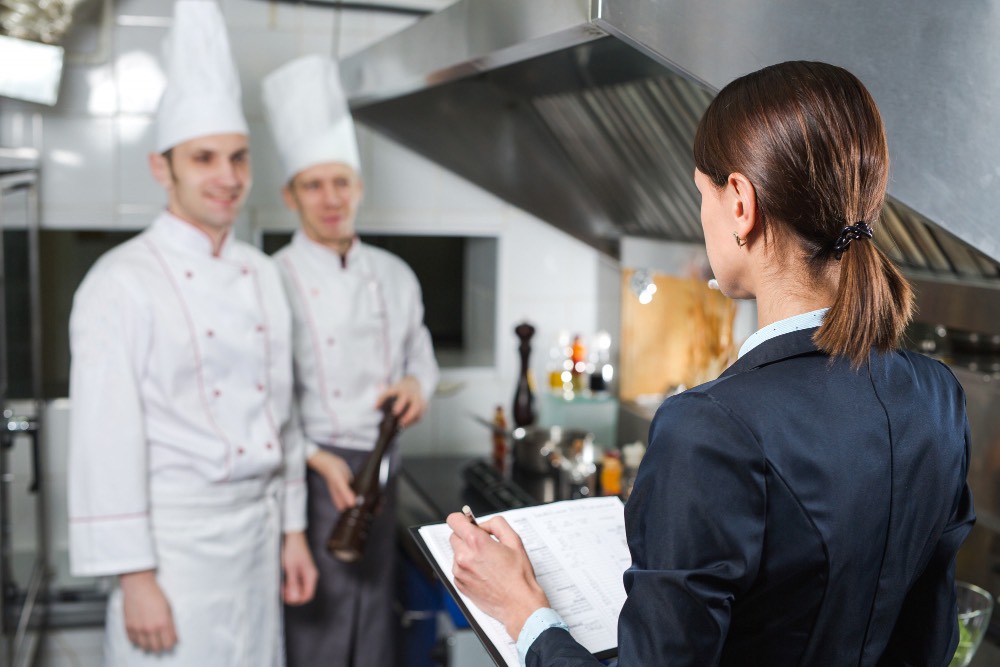
Explore restaurant fire risk assessment checklist and process to maintain safety and prevent fire incidents.
Fire safety is a critical aspect of restaurant operations, especially in environments where cooking equipment, open flames, and electrical systems are used continuously. Restaurant kitchens are highly vulnerable to fire risks due to factors such as grease buildup, gas usage, and high-temperature cooking. Without proper safety measures, even a small issue can quickly escalate into a serious hazard. This is why conducting a restaurant fire risk assessment is essential for identifying potential dangers and preventing accidents. A structured risk assessment helps restaurants maintain safety standards, protect staff and customers, and ensure compliance with regulations. By proactively managing fire risks, restaurants can create a safer and more controlled working environment.
A restaurant fire risk assessment is a structured process used to identify potential fire hazards, evaluate the level of risk, and implement measures to prevent fire incidents. It involves reviewing all areas of the restaurant, especially the kitchen, where fire risks are highest. The assessment ensures that safety procedures, equipment, and systems are in place to reduce the likelihood of fire accidents. It is also an important part of compliance with fire safety regulations. Regular assessments help restaurants maintain a safe environment and stay prepared for inspections.
Common Fire Risks in Restaurants:
Fire risk assessments play a crucial role in ensuring safety and continuity in restaurant operations. Restaurant kitchens operate in high-risk conditions with open flames, hot surfaces, gas systems, and electrical equipment running continuously. Without proper assessment, small issues like grease buildup or faulty wiring can quickly turn into serious fire hazards. A structured fire risk assessment helps identify these risks early and ensures that preventive measures are in place. It also creates a safer working environment for staff and protects customers from potential danger. In addition, regular assessments help restaurants stay compliant with fire safety regulations and avoid legal or financial consequences.
Why Fire Risk Assessment Matters:
A restaurant fire risk assessment checklist helps ensure that all critical safety measures are reviewed consistently. In busy kitchen environments, it is easy to overlook potential fire hazards without a structured checklist. A well-defined checklist allows staff and managers to regularly inspect equipment, systems, and safety procedures. It also helps maintain compliance with fire safety regulations and ensures that preventive measures are in place. Using a checklist makes fire risk assessment more systematic and reduces the chances of accidents.
Restaurant Fire Risk Assessment Checklist:
A restaurant fire risk assessment should not be treated as a one-time checklist activity but as a continuous and structured safety process. Restaurant kitchens operate in high-risk conditions where heat, oil, gas, and electrical systems are constantly in use. Without a detailed assessment process, small hazards can go unnoticed and eventually lead to serious fire incidents. A step-by-step approach helps restaurants systematically identify risks, evaluate their impact, and implement preventive measures. It also ensures accountability and creates a documented safety framework that supports compliance and inspection readiness. By following a well-defined process, restaurants can significantly reduce fire risks and maintain a safer working environment.
The first step is to carefully inspect all areas of the restaurant to identify potential fire hazards. This includes kitchens, storage areas, electrical systems, and ventilation units. Fire hazards are often hidden in daily operations, such as grease buildup, overloaded circuits, or improper storage of flammable items. Identifying these risks early helps prevent them from escalating into dangerous situations.
Key Actions:
Once hazards are identified, the next step is to evaluate how likely each hazard is to cause a fire and how severe the consequences could be. Not all risks are equal—some may require immediate action, while others can be monitored. This step helps prioritize safety efforts and allocate resources effectively.
Key Actions:
After assessing risks, appropriate safety measures must be put in place to reduce or eliminate them. This step focuses on prevention and control, ensuring that hazards are managed effectively. Implementing safety measures not only reduces fire risks but also improves overall operational safety.
Key Actions:
Proper documentation is essential for tracking fire safety efforts and maintaining compliance with regulations. Recording hazards, risk levels, and corrective actions creates a clear safety record that can be reviewed during inspections. Documentation also helps identify recurring issues and improve safety practices over time.
Key Actions:
Even the best safety measures can fail if staff are not properly trained. Employees must understand fire risks, follow safety procedures, and know how to respond in emergencies. Training ensures that safety practices are consistently followed and that staff can act quickly in case of a fire incident.
Key Actions:
Fire risk assessment is an ongoing process that requires regular monitoring and updates. Restaurant environments change frequently, and new risks can emerge over time. Continuous monitoring helps ensure that safety measures remain effective and up to date.
Key Actions:
Restaurant kitchens are one of the most high-risk environments when it comes to fire hazards. The combination of high heat, open flames, cooking oils, electrical equipment, and gas systems creates multiple points of risk. Many fire incidents in restaurants occur not because of major failures, but due to small, overlooked issues that build up over time. Identifying and understanding these common hazards is essential for preventing accidents and maintaining a safe working environment. Regular monitoring and proper maintenance can significantly reduce these risks.
Grease accumulation on cooking equipment, exhaust hoods, and ducts is one of the leading causes of kitchen fires. When exposed to high temperatures, grease can ignite quickly and spread fire rapidly.
Key Risks:
Electrical issues such as damaged wiring, overloaded circuits, or malfunctioning appliances can easily spark fires. These risks often go unnoticed until they cause serious problems.
Key Risks:
Gas leaks from cooking equipment or pipelines pose a serious fire and explosion risk. Even a small leak can become dangerous if not detected and fixed quickly.
Key Risks:
Storing flammable items near heat sources increases the risk of fire. Materials such as paper, packaging, and cleaning chemicals can easily catch fire if not handled properly.
Key Risks:
Continuous use of cooking equipment without proper monitoring can lead to overheating. This increases the chances of fire, especially when combined with grease buildup.
Key Risks:
Fire safety regulations are designed to ensure that restaurants operate in a safe environment and are prepared to handle fire-related emergencies. These regulations vary by location but generally focus on preventing fire hazards, ensuring proper safety equipment, and maintaining emergency preparedness. Compliance with fire safety standards is not only a legal requirement but also essential for protecting staff, customers, and property. Regular inspections and adherence to guidelines help restaurants avoid penalties and operational disruptions. Staying compliant also builds trust and demonstrates a commitment to safety.
Technology plays a crucial role in improving how restaurants manage fire risk assessments and maintain safety compliance. Traditional methods like manual checklists and paper records often lead to missed inspections, lack of accountability, and poor visibility into safety practices. Digital solutions help standardize fire safety processes, ensure tasks are completed on time, and provide real-time insights into potential risks. With better tracking and monitoring, restaurants can identify hazards early and take preventive action before issues escalate. Technology also helps maintain proper documentation, making it easier to stay compliant with fire safety regulations and inspection requirements.
Managing fire risk assessments across restaurant operations requires consistency, visibility, and timely execution. Pazo helps restaurants streamline fire safety management by digitizing inspection workflows and ensuring that all safety tasks are completed systematically. Instead of relying on manual tracking, teams can use structured checklists to conduct fire risk assessments and update task status in real time. Managers gain complete visibility into safety activities and can quickly identify unresolved risks. This proactive approach helps prevent hazards and ensures compliance with fire safety standards.
Maintaining fire safety in restaurants requires consistent effort, proper planning, and continuous monitoring. Fire risks in kitchens cannot be completely eliminated, but they can be effectively controlled through disciplined practices and preventive measures. Restaurants that follow structured safety routines are better prepared to handle risks and avoid serious incidents. By implementing best practices, restaurants can create a safer working environment and ensure compliance with fire safety standards.
A restaurant fire risk assessment is a process used to identify potential fire hazards, evaluate risks, and implement safety measures to prevent fire incidents in restaurant operations.
Fire risk assessment helps prevent accidents, ensures compliance with safety regulations, and protects staff, customers, and property from fire-related hazards.
Restaurants should conduct fire risk assessments regularly, especially when there are changes in equipment, layout, or operations. Periodic reviews help maintain safety standards.
Common hazards include grease buildup, faulty electrical systems, gas leaks, improper storage of flammable materials, and overheating cooking equipment.
A checklist typically includes inspection of cooking equipment, electrical systems, gas connections, fire extinguishers, ventilation systems, and emergency exits.
Restaurants can reduce fire risks by maintaining equipment, cleaning grease regularly, monitoring gas and electrical systems, training staff, and conducting regular safety checks.
Technology helps by tracking safety tasks, maintaining records, providing real-time visibility, and ensuring that fire risk assessments are conducted consistently.
Staff should follow emergency procedures, use fire extinguishers if trained, evacuate safely, and alert emergency services immediately.
Restaurant fire risk assessment is essential for ensuring safety, maintaining compliance, and preventing potential hazards in high-risk kitchen environments. By identifying fire risks, implementing preventive measures, and training staff, restaurants can significantly reduce the chances of fire incidents. A structured approach to fire safety—supported by regular assessments, checklists, and monitoring—helps maintain consistent safety standards. However, manual processes can make it difficult to track and manage risks effectively. By adopting digital solutions like Pazo, restaurants can streamline fire risk assessments, improve visibility, and ensure that safety practices are followed consistently across all locations.
As someone who has built highly scalable products from the ground up, I've always been drawn to solving challenging problems. But it's the quest for operational excellence that truly lights my fire. The thrill of streamlining processes, optimizing efficiency, and bringing out the best in a business – that's what gets me out of bed in the morning. Whether I'm knee-deep in programming or strategizing solutions, my focus is on creating a ripple effect of excellence that transforms not just businesses, but the industry at large. Ready to join forces and raise the bar for operational excellence? Let's connect and make retail operations and Facilities Management better, together.
Stay up to date with the latest video business news, strategies, and insights sent straight to your inbox!