Facility Management
How to Optimize Facility Operations Efficiency for Better Performance
Improve facility operations efficiency by reducing delays, optimizing workflows, and using metrics to enhance performance.

CEO - Pazo

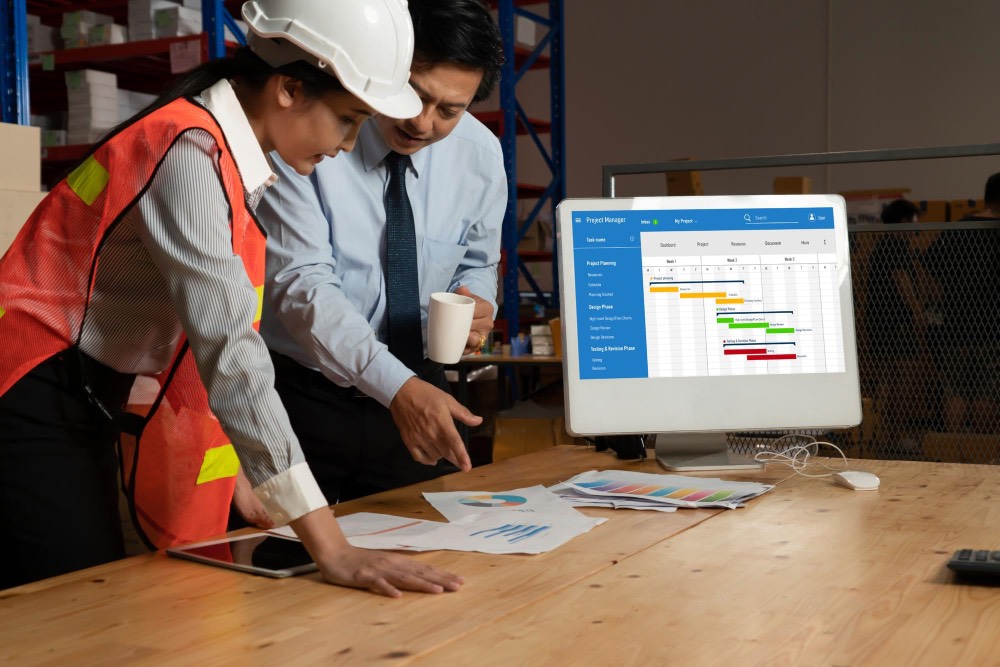
Improve facility operations efficiency by reducing delays, optimizing workflows, and using metrics to enhance performance.
Most facilities today are operational—but not necessarily efficient. Tasks are being completed, teams are working, and processes are in place. Yet, beneath this surface, there are hidden inefficiencies that impact performance over time. Delays in task execution, repeated issues, unnecessary manual effort, and lack of coordination quietly reduce overall productivity and increase operational costs.
In many cases, organizations focus on maintaining operations rather than optimizing them. As long as work is getting done, inefficiencies go unnoticed. However, as facilities scale across multiple locations, these small inefficiencies compound into larger problems—affecting consistency, compliance, and customer experience.
Improving facility operations efficiency is about doing more with the same resources—reducing waste, eliminating delays, and ensuring that every task contributes to better outcomes. It requires a shift from simply managing operations to continuously optimizing them based on performance and data.
In this guide, we’ll explore what facility operations efficiency means, the key factors that impact it, and practical strategies to improve efficiency across all aspects of facility management.
Facility operations efficiency refers to how effectively a facility utilizes its resources—time, workforce, and processes—to achieve optimal performance with minimal waste. It is not just about completing tasks, but about completing them in the most streamlined, consistent, and cost-effective way possible.
In many facilities, operations may appear smooth because tasks are being completed. However, efficiency looks deeper—it evaluates how much effort, time, and cost are required to achieve those outcomes. If tasks take longer than necessary, require repeated effort, or lack coordination, operations are functioning but not efficient.
Efficiency in facility operations is typically measured by how well organizations can maintain performance while reducing delays, minimizing errors, and optimizing resource utilization. It focuses on improving output without increasing input, ensuring that operations remain scalable and sustainable.
A highly efficient facility operation ensures that tasks are completed on time, issues are resolved quickly, resources are used optimally, and performance remains consistent across all locations. It creates a system where operations are not only functional but continuously improving.
Facility operations efficiency is ultimately about turning everyday activities into a well-coordinated system that delivers reliable and measurable results.
Facility operations rarely fail completely—they continue to function, but with hidden inefficiencies that reduce performance over time. These inefficiencies are often overlooked because tasks are still getting done, even if they are delayed, repeated, or inconsistently executed. The challenge is that without clear visibility and measurement, these issues remain unnoticed until they start impacting costs, compliance, or customer experience.
Recognizing the early signs of inefficiency is critical for improving operations. It helps organizations identify gaps in execution, coordination, and resource utilization before they become larger problems.
If these signs are present, it indicates that operations may be functioning but are not optimized. Addressing these inefficiencies is the first step toward improving overall facility operations performance.
Facility operations efficiency is influenced by multiple interconnected factors, not just individual tasks or teams. Even if tasks are clearly defined, inefficiencies can arise due to gaps in coordination, visibility, or execution. These factors often operate in the background, gradually impacting performance, increasing delays, and reducing overall productivity.
Understanding these underlying factors is essential because improving efficiency is not about fixing isolated issues—it is about optimizing the entire operational system. When these factors are addressed collectively, organizations can significantly enhance performance, consistency, and scalability.
These factors highlight that inefficiency is often a system-level issue rather than a task-level problem. Addressing them requires a structured approach that focuses on visibility, coordination, and continuous improvement.
Improving facility operations efficiency requires a shift from simply completing tasks to optimizing how those tasks are executed. Many organizations focus on managing daily activities, but true efficiency comes from reducing delays, eliminating redundancies, and ensuring that every process is streamlined. It is about building a system where operations are continuously monitored, measured, and improved.
Efficiency improvement is not a one-time effort—it is an ongoing process of identifying gaps, refining workflows, and using data to drive better decisions. By focusing on execution quality and operational control, organizations can achieve consistent performance across all locations while minimizing resource wastage.
Delays are one of the biggest contributors to inefficiency. Tasks that are not completed on time create a ripple effect, impacting other activities and overall operations. Reducing delays requires real-time visibility and faster response mechanisms.
Inefficient workflows often include unnecessary steps, duplication of effort, or poor coordination. Streamlining workflows ensures that tasks move smoothly from start to completion without bottlenecks.
Facility operations involve multiple teams working simultaneously. Lack of coordination leads to confusion, delays, and missed tasks. Clear communication and structured workflows improve alignment between teams.
Manual tracking and communication slow down operations and increase the risk of errors. Reducing manual dependency through structured systems improves speed, accuracy, and consistency.
Ensuring that tasks are consistently completed on time is critical for efficiency. Monitoring completion rates helps identify gaps and improve overall performance.
Quick identification and resolution of issues prevent disruptions and reduce downtime. Faster response times improve operational stability and efficiency.
In multi-location environments, inconsistent execution leads to inefficiencies. Standardizing processes ensures uniform performance and easier scalability.
Data provides insights into performance, delays, and recurring issues. Using this data helps organizations refine processes and improve efficiency over time.
When these strategies are implemented together, facility operations become more streamlined, predictable, and scalable. Efficiency is achieved not just by doing tasks faster, but by doing them smarter and more consistently.
Improving efficiency without measurement is guesswork. To truly optimize facility operations, organizations need clear metrics that reflect how well tasks are executed, how quickly issues are resolved, and how consistently standards are maintained. These metrics provide visibility into performance and help identify inefficiencies that may not be immediately visible.
By tracking the right KPIs, organizations can move from assumptions to data-driven decisions. It allows managers to pinpoint delays, compare performance across locations, and continuously improve operational processes. Without these metrics, it becomes difficult to evaluate whether efficiency initiatives are actually delivering results.
These metrics help create a measurable framework for efficiency. By consistently monitoring and analyzing them, organizations can identify gaps, optimize workflows, and ensure continuous improvement in facility operations.
Improving facility operations efficiency requires more than defining processes—it requires ensuring that every task is executed consistently, tracked in real time, and continuously optimized. This is where many organizations face challenges. While operations may be planned well, there is often limited visibility into execution, making it difficult to identify inefficiencies or improve performance. Pazo addresses this gap by acting as the execution and visibility layer for facility operations.
Pazo brings structure to daily operations by converting tasks into clearly defined, trackable workflows. This ensures that teams follow standardized processes, reducing variability and improving consistency across locations. With real-time visibility into task execution, managers can monitor operations as they happen, identify delays instantly, and take corrective action without waiting for reports.
One of the key ways Pazo improves efficiency is by reducing operational delays. Missed or delayed tasks are flagged immediately, allowing teams to respond quickly and prevent disruptions. This helps maintain smooth operations and minimizes downtime.
Pazo also improves resource utilization by ensuring that tasks are assigned clearly and completed on time. With better visibility and accountability, teams can work more efficiently without unnecessary follow-ups or duplicated effort.
In addition, Pazo provides valuable performance data that helps organizations identify inefficiencies and optimize workflows. By analyzing task completion rates, recurring issues, and response times, managers can make informed decisions to improve operations continuously.
By combining execution control, real-time monitoring, and performance insights, Pazo helps organizations transform facility operations into a highly efficient and scalable system.
Facility operations efficiency refers to how effectively a facility uses its time, resources, and processes to complete tasks with minimal waste and maximum output.
It helps reduce operational costs, improve productivity, ensure consistent performance, and maintain compliance across all locations.
Efficiency can be improved by reducing delays, optimizing workflows, improving coordination, using real-time tracking, and leveraging data for continuous improvement.
Common signs include delayed tasks, repeated issues, inconsistent execution, high manual effort, and increased operational costs.
Key metrics include task completion rate, issue resolution time, missed tasks, audit scores, and resource utilization efficiency.
Technology enables real-time visibility, automates workflows, improves coordination, and provides insights to optimize operations.
Improving facility operations efficiency is not about adding more processes—it is about optimizing how existing processes are executed. Many organizations already have defined workflows and teams in place, but inefficiencies arise when there is limited visibility, delayed execution, and lack of continuous improvement. The key to efficiency lies in reducing waste, eliminating delays, and ensuring that every task contributes to better outcomes.
By identifying inefficiencies early, optimizing workflows, and measuring performance through the right metrics, organizations can create a more streamlined and reliable operational system. Efficiency improves when tasks are completed on time, issues are resolved quickly, and resources are used effectively across all locations.
Technology plays a crucial role in enabling this transformation. With real-time visibility, structured workflows, and data-driven insights, organizations can move from reactive operations to proactive optimization. Platforms like Pazo further strengthen this approach by ensuring that tasks are not only assigned but consistently executed, tracked, and improved.
In the end, facility operations efficiency is about consistency, control, and continuous improvement—ensuring that operations are not just running, but running at their highest potential.
As someone who has built highly scalable products from the ground up, I've always been drawn to solving challenging problems. But it's the quest for operational excellence that truly lights my fire. The thrill of streamlining processes, optimizing efficiency, and bringing out the best in a business – that's what gets me out of bed in the morning. Whether I'm knee-deep in programming or strategizing solutions, my focus is on creating a ripple effect of excellence that transforms not just businesses, but the industry at large. Ready to join forces and raise the bar for operational excellence? Let's connect and make retail operations and Facilities Management better, together.
Stay up to date with the latest video business news, strategies, and insights sent straight to your inbox!